

Latex vs Latex-Free Waist Trainers: Which Is Right?
The core difference is the core fabric: a latex waist trainer uses a natural-rubber latex layer that delivers firm, springy compression, while a latex-free waist trainer relies on materials like neoprene, powernet, nylon, or spandex blends to shape without any natural rubber. If you have sensitive skin, a known or suspected latex allergy, or you simply prefer a softer, more breathable feel, a latex-free waist trainer is the safer, more comfortable choice. If your priority is the firmest possible cinch and you have no latex sensitivity, a latex design may suit you better.
That's the short answer. Below, we break down how the two compare across the things that actually matter — comfort, breathability, skin sensitivity, durability, care, and who each one suits — so you can choose with confidence.
What's Actually Inside a Waist Trainer
 Shop: ASHANTE SCULPT WAIST TRAINER – HOOK →
Most waist trainers are built in layers: an outer fabric, an inner lining, structural boning, and a closure such as hook-and-eye rows, a zip, or a flexible band. The single biggest variable between styles is the compression layer that does the shaping work.
- Latex waist trainers use a layer of natural rubber latex (often sandwiched between cotton or fabric linings). Latex is prized for its strong, elastic "snap-back," which is why these styles are associated with firm compression and a sculpted feel.
- Latex-free waist trainers swap that rubber layer for synthetic alternatives — commonly neoprene, powernet, or high-stretch nylon and spandex blends. These shape through engineered weave and fabric tension rather than natural rubber.
Neither approach is inherently "better" — they simply prioritise different things, and the right pick depends on your skin, comfort preferences, and how you plan to wear it.
Comfort and Feel
Comfort is the factor most people underestimate when buying their first waist trainer.
Latex
Latex tends to feel firmer and more rigid — a structured, "held-in" sensation and a strong shaping effect that some people specifically want. The trade-off is that it can feel stiffer during long wear, and the break-in period (when a new garment softens to your shape) is often more noticeable.
Latex-Free
Latex-free fabrics like powernet and spandex blends generally feel softer and more flexible from the first wear. They move with your body more naturally, which many people find more comfortable for all-day wear, desk work, or layering under clothing. The shaping is typically described as smoothing and supportive rather than aggressively cinching — though firmness varies widely by design and fabric weight.
Breathability
Breathability affects both comfort and how easily you can wear a trainer for longer stretches.
- Latex is less breathable on its own; the rubber layer traps heat and moisture, so latex styles can feel warm. Linings help, but you may notice more perspiration.
- Latex-free options vary. Open-weave powernet and mesh-backed designs tend to be the most breathable, allowing better airflow. Neoprene, by contrast, is intentionally heat-retaining — so not all latex-free fabrics are cooler. If breathability is your priority, look specifically for powernet or mesh construction rather than assuming "latex-free" means "cool."
Skin Sensitivity and Allergies
This is the most important section for anyone with reactive skin — and it's where latex-free earns its reputation.
Natural rubber latex contains proteins that can trigger allergic reactions in some people, ranging from mild contact irritation to more significant responses. Latex allergy is well documented, and reactions can develop over time with repeated exposure. If you have a known latex allergy, a history of skin reactions to elastic or rubber products, or sensitive skin that flares easily, a latex-free waist trainer is the appropriate choice — it removes the natural-rubber protein from the equation entirely.
That said, no fabric is universally hypoallergenic. Synthetic materials, dyes, and adhesives can also irritate sensitive skin. A few sensible habits help:
- Always wear a thin cotton layer between the trainer and your skin.
- Introduce any new garment gradually and watch how your skin responds.
- Stop wearing it and seek advice if you notice persistent redness, itching, or irritation.
If you have a diagnosed latex allergy or any health condition, talk to your doctor before choosing or wearing a waist trainer. This is especially important if you are postpartum, pregnant, recovering from surgery, or managing a medical condition — a professional can advise what's appropriate for your situation. A waist trainer is a shaping and support garment, not a medical device or a treatment.
Durability
Both types last well when cared for properly, but they age differently.
- Latex has excellent "snap-back" when new, but natural rubber can degrade over time — it's sensitive to heat, sunlight, oils, and certain lotions, which can dry it out or reduce stretch.
- Latex-free synthetics are often more resistant to oils and everyday wear. Very firm shaping fabrics can soften with repeated stretching, but they avoid the rubber-specific degradation that affects latex.
In practice, the deciding factor for longevity is care, not just material — see below.
Care and Cleaning
How you wash and store a waist trainer has a big impact on how long it lasts and how it feels.
- Hand wash in cool water with a gentle detergent. Avoid hot water, which can damage both latex and elastic synthetics.
- Never tumble dry or iron. Heat is the enemy of compression fabrics. Air dry flat, away from direct sunlight.
- Keep oils and harsh products away from latex in particular, as they accelerate breakdown of natural rubber.
- Store flat or rolled, not creased or crammed, to preserve the shape.
Always follow the specific care label on your garment — it overrides general advice. Latex-free synthetics are often a little more forgiving of everyday washing, while latex rewards a gentler, more deliberate routine.
Comparison Table
| Factor | Latex Waist Trainer | Latex-Free Waist Trainer |
|---|---|---|
| Compression feel | Firm, springy, structured | Soft to firm, more flexible |
| Breathability | Lower (traps heat) | Varies — powernet/mesh breathe well, neoprene less so |
| Skin sensitivity | Risk for latex-sensitive skin | Best choice for sensitive skin and latex allergies |
| Durability | Excellent when new; rubber can degrade with heat/oils | Resistant to oils; predictable everyday wear |
| Care | Gentle hand wash; keep away from heat/oils | Gentle hand wash; generally more forgiving |
| Best for | Firmest shaping, no latex sensitivity | Sensitive skin, all-day comfort, breathability |
Who Should Choose Which
Choose a latex-free waist trainer if you:
- Have sensitive skin or a known or suspected latex allergy
- Want softer, more flexible all-day comfort
- Prioritise breathability (look specifically for powernet or mesh)
- Prefer easy, forgiving care
Consider a latex waist trainer if you:
- Want the firmest, most structured compression for shaping
- Have no history of latex sensitivity
- Don't mind a more deliberate care routine and a noticeable break-in period
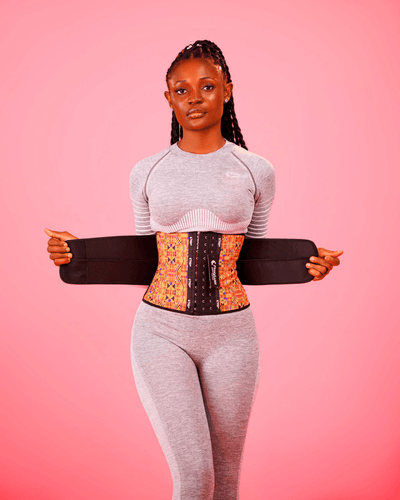
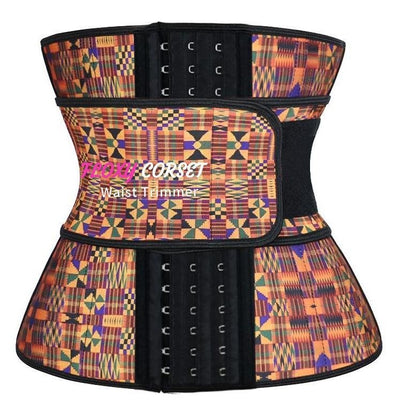
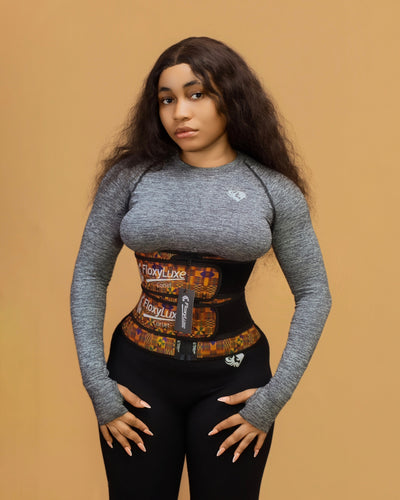
If you're still deciding, browse the full waist trainer collection at FloxyLuxe to compare fabrics and closures side by side. For a versatile style with a removable design, the detachable Ashante patterned waist trainer is worth a look. And if you'd rather have smoothing support without a dedicated cincher, explore our body shaper collection for everyday options.
Frequently Asked Questions
Is a latex-free waist trainer less effective at shaping?
Not necessarily. Shaping depends on fabric weight, construction, and fit far more than on whether the material is latex or latex-free. Firm latex-free fabrics like powernet can deliver strong, smooth shaping; the feel is simply more flexible than rubber-based latex.
Are latex-free waist trainers better for sensitive skin?
Generally, yes. Removing natural rubber latex eliminates the latex-protein allergens that cause reactions in sensitive or allergy-prone people. No fabric is fully hypoallergenic, though, so wear a cotton layer underneath and stop if irritation appears.
How do I know if I'm allergic to latex?
Common signs include itching, redness, or irritation where the latex contacts your skin. If you suspect a latex allergy, choose a latex-free design and consult a doctor or allergist for proper testing — don't self-diagnose based on a garment alone.
Which is more comfortable for all-day wear?
Most people find latex-free fabrics more comfortable for long stretches because they're softer and move with the body. Comfort also depends heavily on correct sizing — a well-fitted garment of either type will always feel better than a poorly sized one.
Do waist trainers help with weight loss?
No. Waist trainers are shaping and support garments that create a smoother silhouette while worn and may encourage better posture. They do not cause weight loss or permanently change your body, and any slimming effect is temporary. For health, weight, or postpartum concerns, speak with your doctor.
The Bottom Line
The choice between latex and latex-free comes down to your skin, your comfort, and your priorities. For sensitive skin, latex allergies, breathability, and easy all-day wear, a latex-free waist trainer is the clear pick. For the firmest structured compression with no sensitivity concerns, latex still has its place. Whichever you choose, prioritise correct fit, start with short wear times, and check with a doctor if you have any health condition or are postpartum — because the right waist trainer is the one that supports your confidence comfortably and safely.