

Best Waist Trainer for Beginners (2026 Guide)
If you're new to waist training, the best waist trainer for beginners is one that fits your true waist measurement, uses a comfortable compression level rather than the tightest available, and lets you start with short wear times. Look for breathable fabric, adjustable closures (hook-and-eye rows or a flexible band), and sizing based on your actual measurements — not your dress size. Above all, comfort and gradual use matter far more than aggressive cinching, and you should check with a doctor before you begin, especially if you're postpartum or managing a health condition.
That's the short answer. Below, we'll walk through everything a beginner needs to know to choose well and wear smart — from realistic expectations to sizing, materials, and safe daily use.
What a Waist Trainer Is (and Isn't)
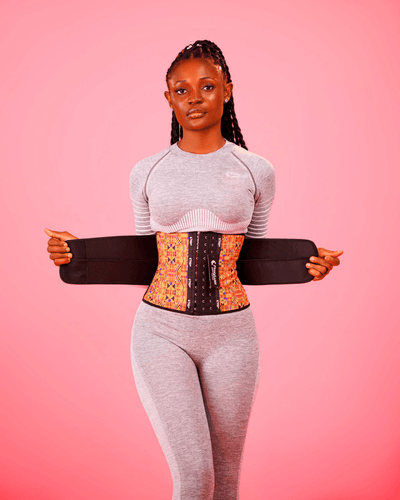
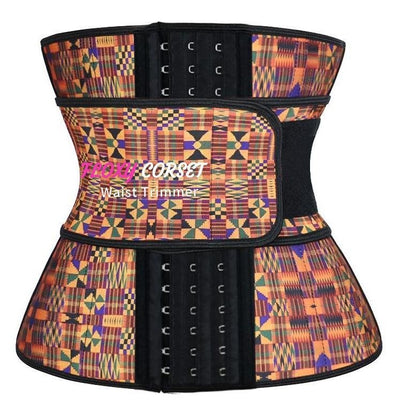
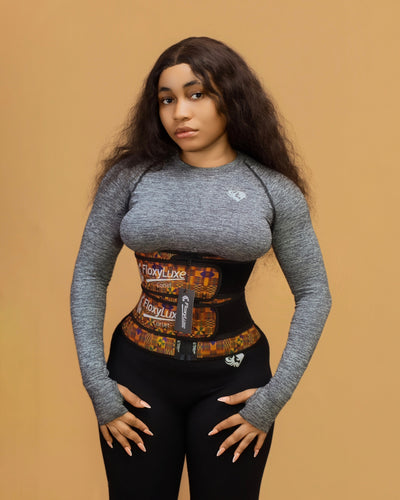
 Shop: ASHANTE SCULPT WAIST TRAINER – HOOK →
A waist trainer is a structured compression garment worn around the midsection to provide a smooth, sculpted silhouette and gentle support. Modern designs use firm fabrics, flexible boning, and adjustable closures to shape your figure while you wear them and to support your posture and core.
Here's what's important to set straight from the start: a waist trainer is a styling and support garment, not a medical device or a weight-loss tool. It does not melt fat, permanently reshape your body, or replace exercise and nutrition. Any slimming you see while wearing one is from compression and shaping — the effect is temporary and disappears once you take it off.
Realistic Expectations for Beginners
Before you buy, frame what you're actually signing up for:
- Instant shaping while worn — a smoother waistline and more defined curves under clothing.
- Posture and core support — many people find the gentle structure encourages them to sit and stand taller.
- Confidence — a flattering silhouette can be a real mood and confidence boost.
What it will not do: cause permanent inch loss, replace healthy habits, or deliver results from sheer tightness. Anyone promising medical or rapid weight-loss outcomes is overselling. Think of a waist trainer the way you'd think of a great pair of shaping leggings — a supportive layer, not a transformation in a box.
How to Choose a Waist Trainer: The Beginner Checklist
When you're working out how to choose a waist trainer, weigh these factors in order of importance.
1. Fit and Sizing First
Sizing is where most beginners go wrong. Use a soft measuring tape to find your natural waist — the narrowest part of your torso, usually just above the belly button — and measure snugly but without compressing your skin. Compare that number to the brand's size chart rather than guessing from your clothing size.
A few sizing principles:
- Trust the measurement, not your ego. Sizing down for a "tighter" result is the most common beginner mistake and the fastest route to discomfort.
- You should be able to breathe fully and bend comfortably. If you can't, it's too small.
- Look for adjustable closures. Hook-and-eye rows or a flexible band let you loosen and tighten as your body and comfort level change through the day.
If you're between sizes or unsure, size up. A trainer that's slightly roomier and comfortable will get worn; one that's too tight ends up in a drawer.
2. Compression Level
Beginners do best with light-to-moderate compression. Firm, aggressive compression is for experienced wearers and specific styling needs — it's not where you want to start. Gentle compression lets your body adjust and keeps the experience comfortable enough that you'll actually build a routine.
3. Materials and Comfort
The fabric makes or breaks daily wearability. Look for:
- Breathable, moisture-wicking materials so you stay comfortable through longer wear.
- A soft inner lining to prevent rubbing against the skin.
- Flexible support rather than rigid, dig-in structure — modern flexible boning shapes without pinching.
- Secure but smooth closures that lie flat under clothing.
You can explore a full range of styles and compression levels in our waist trainers collection, where designs are built around comfort and everyday wearability.
4. Use Case
Match the trainer to how you'll wear it — everyday under clothes, at the gym, or for special occasions. Some styles are more discreet under fitted clothing; others are designed with workouts in mind. A versatile, adjustable design like the ASHANTE Sculpt Waist Trainer with hook closure is a sensible beginner pick because the adjustable closure lets you dial in comfort as you go.
How to Wear a Waist Trainer Safely as a Beginner
This is the most important section, so read it twice. Waist training should always be comfortable and gradual.
Start Short
Begin with 1 to 2 hours a day and build up slowly over several weeks only if it feels good. There is no prize for wearing it longer or tighter — your comfort is the metric that matters.
Listen to Your Body
Take the trainer off immediately if you feel:
- Difficulty breathing or shortness of breath
- Numbness, tingling, or pinching
- Pain, pressure, or dizziness
- Heartburn, reflux, or digestive discomfort
These are signs the garment is too tight or worn too long — not signs that "it's working."
Build Smart Habits
- Never sleep in a waist trainer. It restricts movement and breathing during rest.
- Don't wear it during heavy meals — leave room for digestion.
- Stay hydrated and take breaks.
- Loosen it during long sits or whenever it feels constricting.
Talk to a Doctor First
Before starting waist training, consult a healthcare professional — especially if you are pregnant or postpartum, have any digestive, respiratory, cardiovascular, or musculoskeletal condition, or are recovering from surgery. A waist trainer is a clothing choice, and like any compression garment, it should fit into a routine your doctor is comfortable with.
Use Cases: Everyday, Gym, and Postpartum
Everyday wear. For day-to-day use, prioritize discreet, breathable styles in light-to-moderate compression that smooth your silhouette under clothing without restricting movement.
At the gym. Some people enjoy a trainer for core support and posture during workouts. Keep compression gentle, prioritize breathable fabric, and never let it interfere with your breathing or range of motion. It supports posture — it does not enhance fat burning.
Postpartum. This deserves special care. Postpartum bodies are healing, and timelines vary widely. Always get clearance from your doctor or midwife before using any compression garment after birth. If approved, choose the gentlest support and stop at the first sign of discomfort.
If you're looking for softer, everyday smoothing without the structure of a trainer, our body shapers collection offers a gentler alternative that many beginners prefer as a starting point.
What to Avoid as a Beginner
- Sizing down for faster results. It only causes discomfort and rarely gets worn.
- Wearing it too long, too soon. Build up gradually — always.
- Sleeping in it. Never do this.
- Ignoring pain or breathing trouble. Discomfort is a stop signal, not progress.
- Believing weight-loss claims. Shaping is temporary and cosmetic.
- Skipping the size chart. Always measure your true waist first.
Frequently Asked Questions
Is waist training safe?
Worn correctly, a properly sized waist trainer is generally considered a safe styling and support garment for most healthy adults. Safety depends on correct sizing, gentle compression, short wear times to start, and listening to your body. Consult a doctor before beginning, particularly if you're postpartum or have any health condition.
What size waist trainer should a beginner buy?
Measure the narrowest part of your natural waist with a soft tape, then match that number to the brand's size chart — not your clothing size. If you're between sizes, size up. You should be able to breathe deeply and move comfortably.
How long should a beginner wear a waist trainer each day?
Start with just 1 to 2 hours a day. Increase gradually over several weeks only if it remains comfortable. Never sleep in a waist trainer, and remove it any time you feel discomfort.
Will a waist trainer help me lose weight?
No. A waist trainer provides temporary shaping and posture support while worn — it does not cause weight loss or permanently change your body. Any slimming effect disappears once you take it off. Sustainable results come from healthy habits, not garments.
Can I wear a waist trainer postpartum?
Only with clearance from your doctor or midwife. Postpartum bodies need time to heal and recovery timelines vary. If approved, choose the gentlest support and stop immediately at any sign of discomfort.
Ready to Start?
The best first step is choosing a comfortable, correctly sized, adjustable trainer and easing into a gentle routine. Browse the FloxyLuxe waist trainers collection to find a beginner-friendly style, or explore our body shapers if you'd prefer softer everyday smoothing. Whichever you choose, prioritize comfort, measure carefully, and let your body set the pace.
This article is for general informational purposes only and is not medical advice. Consult a qualified healthcare professional before beginning waist training, especially if you are pregnant, postpartum, or managing any health condition.