

Sweat Belts for Workouts: Do They Actually Work?
Short answer: A sweat belt works for what it is actually designed to do, which is to make you sweat more around your midsection and give your core some compression and support during a workout. What it does not do is burn belly fat or melt away inches. The "weight" you lose right after wearing one is water, and it comes straight back the moment you rehydrate. If you go in expecting more sweat and a snug, supported feeling, you will not be disappointed. If you go in expecting a shortcut to fat loss, you will be.
That honesty matters because so much sweat belt marketing promises the opposite. Below is a clear, practical look at what a sweat belt really does, how to use one safely during workouts, and who actually benefits.
What a Sweat Belt Actually Does
 Shop: Thermo Sweat Belt →
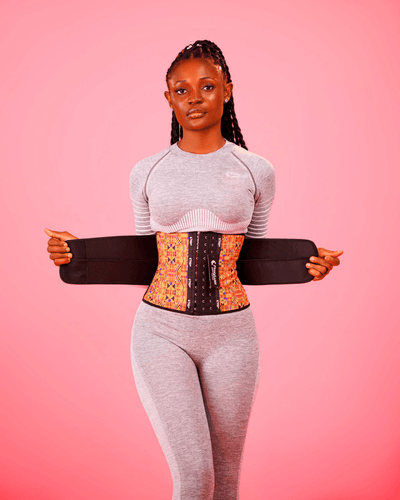
A sweat belt is a wide band, usually made from neoprene or a similar heat-retaining material, that wraps snugly around your waist. The science is simple: by trapping heat against your midsection, it raises the local temperature, and your body responds by sweating more in that area. That is the entire mechanism. There is no special fat-burning property in the fabric.
Here is what that translates to in practice:
- More sweat around your core. You will visibly perspire more in your abdominal area during exercise. This can feel motivating and make a workout feel more intense.
- Compression and support. The snug fit gives your lower back and core a feeling of stability, which some people find helpful during lifts or floor work.
- A temporarily flatter look. Right after a session you may look slightly slimmer at the waist. This is water loss and mild compression shaping, not fat reduction, and it is temporary.
Sweat is water, not fat
This is the single most important thing to understand. When you sweat, you lose water weight. Fat loss only happens when you burn more calories than you consume over time, through movement and nutrition. Sweating more in one spot does not "target" fat in that spot, and no belt changes that. The scale might dip after a sweaty session, but that number returns as soon as you drink water, which you absolutely should.
So treat a sweat belt as a workout accessory that adds heat and support, not as a weight-loss device. With realistic expectations, it can be a genuinely useful piece of kit.
How to Use a Sweat Belt for Workouts
Using a sweat belt well is mostly about comfort, common sense, and hydration. Here is a sensible approach.
Start short and build up
If you are new to wearing one, begin with shorter sessions, around 15 to 20 minutes, and see how your body responds. Increase gradually over time as you get used to the extra heat. There is no benefit to wearing it for hours, and longer is not better.
Fit it snug, never tight
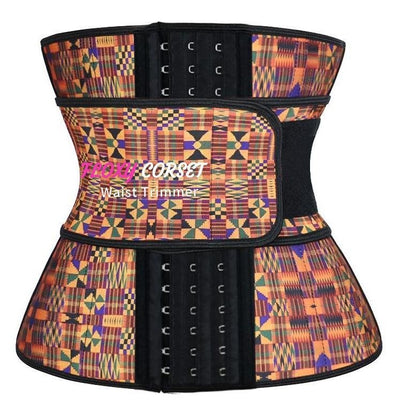
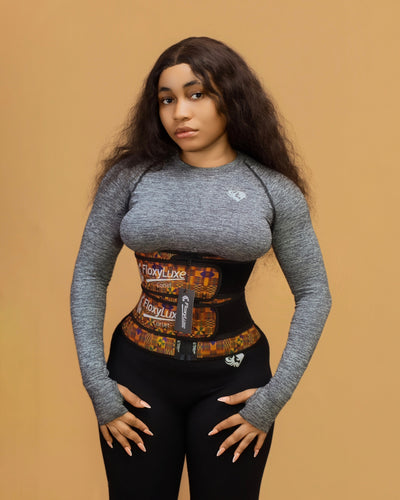
The belt should feel secure and supportive, not constricting. You should be able to breathe fully and move freely. If it pinches, digs in, restricts your breathing, or leaves deep marks on your skin, it is too tight. Loosen it. The FloxyLuxe Sweat Belt is designed to sit flat and adjustable so you can dial in a comfortable fit.
Pair it with movement that already works
A sweat belt does nothing on its own. It is meant to be worn during cardio, circuit training, a brisk walk, or core work, the activities that were already going to help you. Think of it as an add-on to a workout, not a replacement for one.
Hydrate before, during, and after
Because the whole point is more sweat, you are losing more fluid than usual. Drink water before your session, sip during, and rehydrate afterward. If you feel dizzy, overheated, lightheaded, or nauseated, stop and take the belt off. Those are signs to cool down and drink, not to push through.
Listen to your body and the weather
On hot days or in a warm gym, you may not want the extra heat at all. Adjust your wear time down accordingly, and never wear a sweat belt to the point of overheating.
Hygiene: Keep It Clean
A sweat belt absorbs a lot of moisture, which makes it a friendly environment for bacteria and odor if you neglect it. A few simple habits keep it fresh:
- Wipe it down after every use. A damp cloth on the inside surface goes a long way.
- Let it air dry fully before storing it. Never stuff a damp belt into a gym bag and forget about it.
- Wash it as directed on the care label, usually a gentle hand wash, and never bake it dry on a hot radiator, which can degrade neoprene.
- Wear it over a thin top if you have sensitive skin, to reduce direct contact and irritation.
Good hygiene also protects your skin. Trapped sweat against the skin for long periods can cause irritation or breakouts, so cleaning the belt and your skin after workouts matters.
Who a Sweat Belt Suits (and Who Should Be Cautious)
A sweat belt can be a nice fit if you:
- Want more core compression and lower-back support during workouts.
- Like the feeling of a sweatier, more intense session as motivation.
- Are looking for a supportive band to wear during cardio or core training, with realistic expectations.
If that is you, it pairs naturally with the rest of your training gear. Some people prefer the extra coverage of a waist trainer vest, or like to explore the full waist trainer collection to compare support styles.
Be cautious, and speak to a doctor first, if you:
- Have high blood pressure, heart conditions, or circulation issues.
- Are pregnant or recently postpartum.
- Have skin conditions, allergies, or are prone to heat-related illness.
- Have any medical condition affected by heat, fluid loss, or compression.
This is general information, not medical advice. If you have any health concerns, check with a qualified healthcare professional before using a sweat belt.
The Honest Bottom Line
A sweat belt is a real, useful accessory for adding heat, sweat, and core support to a workout you are already doing. It is not a fat burner, a spot-reducer, or a substitute for movement and good nutrition. Used with realistic expectations, sensible wear times, solid hydration, and good hygiene, it can earn a comfortable place in your gym bag. Used as a magic-bullet weight-loss device, it will let you down.
If you want one that fits flat, adjusts to your shape, and is built for actual training, take a look at the FloxyLuxe Sweat Belt.
Frequently Asked Questions
Do sweat belts burn belly fat?
No. Sweat belts increase perspiration and provide compression, but they do not burn fat. Fat loss comes from a sustained calorie deficit through diet and exercise. The weight you lose immediately after wearing one is water, which returns when you rehydrate.
How long should I wear a sweat belt during a workout?
Start with around 15 to 20 minutes and build up gradually as your body adjusts. Longer is not better, and you should never wear it to the point of overheating. Remove it if you feel dizzy or unwell.
Will I lose weight using a sweat belt?
Only temporary water weight, which comes back as soon as you drink fluids. For lasting results, focus on consistent exercise and balanced nutrition. A sweat belt is a workout accessory, not a weight-loss tool.
Is it safe to wear a sweat belt every day?
For most healthy people, occasional use during workouts is fine with proper hydration. Daily or prolonged wear can increase the risk of skin irritation, dehydration, and overheating. If you have any health conditions, consult a doctor before regular use.
How do I clean a sweat belt?
Wipe the inside down after each use, let it air dry fully before storing, and hand wash it gently as directed on the care label. Avoid high heat when drying, as it can damage neoprene. Good hygiene prevents odor, bacteria, and skin irritation.