



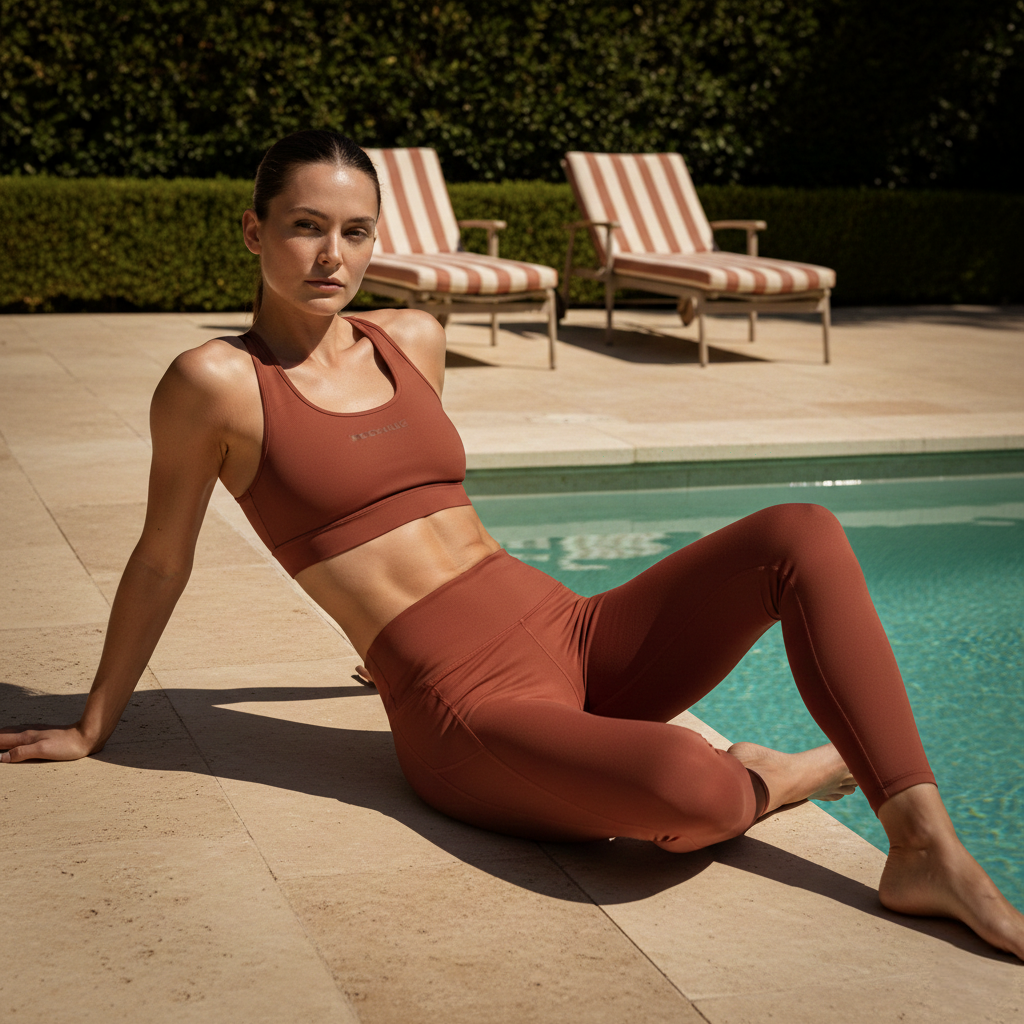


Activewear That Holds Its Shape Wash After Wash
Activewear that holds its shape comes down to two things: a fabric blend with strong recovery (the spandex/elastane content that snaps the fabric back after stretching) and the way you wash and dry it. Cold water, a gentle cycle, no fabric softener, and air drying are what keep leggings tight and a set looking new. Get the fabric right at purchase and treat it gently, and a good pair will stay opaque, snug, and fade-free far longer than most people expect.
If your favourite leggings have gone baggy at the knees, the waistband has loosened, the colour has dulled, or tiny fuzzy balls have appeared on the inner thighs, you are not imagining it and you did not buy "bad" activewear. Most of that damage happens in the wash, not the workout. Here is exactly what keeps activewear in shape and how to make yours last.
Why activewear bags out, fades, and pills
 Shop: WOMEN'S SEAMLESS YOGA SUIT SET OF 2 →
Three failures account for almost every "ruined" pair of leggings or set:
- Bagging out (sagging knees, loose waistbands, that droopy seat) happens when the stretch fibres lose their recovery. Heat is the main culprit. High temperatures in hot water and the tumble dryer break down elastane's spring-like structure, so the fabric stretches but no longer snaps back.
- Fading is caused by hot water, harsh detergent, and UV light. Each one strips or breaks down dye, and washing right-side-out exposes the printed outer surface to friction that lifts colour.
- Pilling (those small fuzzy balls) is friction damage. It builds up where the fabric rubs against itself or other garments, classically the inner thighs, and gets worse when leggings are washed with rough items like towels, denim, or anything with zips and Velcro.
The encouraging part: all three are largely preventable. They are about care and fibre quality, not bad luck.
What actually keeps activewear in shape
The fabric blend and its recovery
"Recovery" is the single most important word in activewear durability. It describes how well a fabric returns to its original shape after being stretched. The stretch comes from elastane (also sold as spandex or under the brand name Lycra); the strength and abrasion resistance come from the base fibre it is blended with, usually nylon or polyester.
As a general guide from textile sources, nylon-elastane blends tend to recover slightly better than polyester-elastane blends and resist abrasion well, which is why a lot of premium leggings lean nylon. Polyester blends are excellent at moisture-wicking and colour retention. Neither is "wrong" — both make great activewear when the elastane content and knit are right.
What matters when you shop:
- Enough elastane to give true four-way stretch and recovery, so the garment moves with you and bounces back rather than staying stretched.
- A dense, opaque knit that does not go sheer when you bend over (the squat test).
- A base fibre suited to your use — nylon-led for durability and a buttery feel, polyester-led for colour and quick-dry performance.
Construction details that signal quality
Fabric is only half the story. Look for:
- Flatlock or bonded seams that lie smooth, reduce chafing, and resist splitting under stress.
- A wide, structured waistband that stays put instead of rolling or sliding down.
- Gusseted crotch panels on leggings, which reduce stress on a single seam and cut down on wear.
- Neat, consistent stitching with no loose threads, skipped stitches, or puckering.
Our sportswear collection is built around these fundamentals. The women's gym and yoga suit set pairs a supportive top with matching bottoms designed to move and recover together, and the women's sport leggings focus on a snug, opaque fit that holds through squats and stretches.
How to wash activewear so it keeps its shape
Care is where most activewear lives or dies. These steps are simple and they work:
- Turn everything inside out. This protects the printed outer surface from friction, which guards against both fading and pilling on high-contact areas.
- Wash in cold water on a gentle or delicate cycle. Cold water (around 30°C / 86°F or below) cleans sweat, body oil, and light dirt just as effectively while protecting the elastane that gives your clothes their stretch. The gentle cycle reduces agitation, so there is less friction and less stress on the fibres.
- Use a mild, low-suds detergent — ideally one formulated for athletic or synthetic fabrics. These break down sweat and body oil without leaving residue that clogs moisture-wicking fibres.
- Use a mesh laundry bag and wash activewear with similar items only. Keep it away from towels, denim, and anything with zips, hooks, or Velcro, which cause the friction that leads to pilling.
- Wash promptly after sweaty sessions. Letting sweat sit can set in odour and stress the fibres; you do not have to wash after every light wear, but do not let damp gym kit fester.
Drying and storing without wrecking the stretch
Drying is where good leggings most often die.
- Air dry, always. Hang pieces on a rack, line, or shower rod and let them dry naturally, ideally in the shade. The tumble dryer is the fastest way to kill elastane — high heat breaks down the stretch fibres and causes the sagging waistbands and droopy knees everyone complains about.
- Dry darks out of direct sunlight. UV light fades dye over time, so shade-drying protects colour.
- Fold to store, do not hang long-term. Hanging leggings for extended periods lets gravity stretch the fabric, which can lead to loss of shape and pilling at stress points.
What to avoid (the shape killers)
- Fabric softener. This is the single biggest threat to activewear. It coats fibres in a waxy residue that blocks moisture-wicking, traps odour and bacteria, and stops the fabric breathing.
- Hot water and warm cycles. Heat breaks down elastane bonds and accelerates fading.
- The tumble dryer. Even "low" heat shortens the life of stretch fabric.
- Bleach and harsh detergents. They break down both dye and fibre, making pilling worse.
- Overloading the machine. Crammed loads increase friction and uneven agitation.
- Washing with rough or hooked items. Towels, denim, and zips snag and abrade.
Signs of quality to look for when buying
Before you buy, you can predict how well a piece will hold up:
- It passes the squat test — stays fully opaque when you bend, with no sheerness.
- It snaps back fast when stretched, rather than staying baggy.
- The waistband is wide and structured, not a thin elastic band.
- Seams are flat, smooth, and even, with no loose threads.
- The fabric feels dense, not flimsy or papery.
- The fit is snug but not pinching — compression you forget you are wearing.
Tick those boxes, pair them with cold washes and air drying, and you have activewear that holds its shape wash after wash. Explore the full range in the FloxyLuxe sportswear collection.
Frequently Asked Questions
Why do my leggings bag out at the knees and waist?
Because the stretch fibres have lost their recovery, usually from heat. Hot water and the tumble dryer break down elastane so the fabric stretches but stops snapping back. Switching to cold washes and air drying prevents most of it.
Can I put activewear in the tumble dryer on low?
It is best not to. Even low heat gradually breaks down elastane, leading to sagging and loose waistbands. Air drying on a rack or line is the safest way to preserve stretch and fit.
Why is my activewear pilling on the inner thighs?
Pilling is friction damage, and the inner thighs rub the most. Turn leggings inside out, wash on a gentle cycle in a mesh bag, and keep them away from rough items like towels and denim.
Should I use fabric softener on workout clothes?
No. Fabric softener leaves a waxy coating that blocks moisture-wicking, traps odour, and stops the fabric breathing. A mild detergent made for synthetics or activewear is the better choice.
How do I stop my activewear from fading?
Wash cold, turn pieces inside out, skip harsh detergents and bleach, and air dry darks in the shade. Heat and UV light are the main causes of fading, so keeping both low protects the colour.


