

Why Your Waist Trainer Rolls Up — and How to Fix It
A waist trainer rolling up almost always comes down to fit: it's either the wrong size, the wrong length for your torso, or worn without something to anchor it in place. The fix is to size from an accurate waist measurement, match the trainer's height to your torso, and choose a structured style like a double-belt or longline design that resists folding. Get those three right and the rolling usually stops.
The Frustration of the Roll-Up
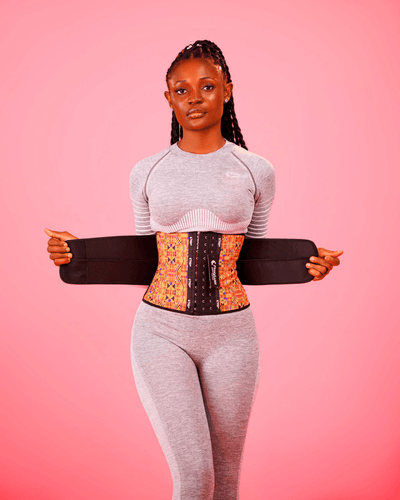
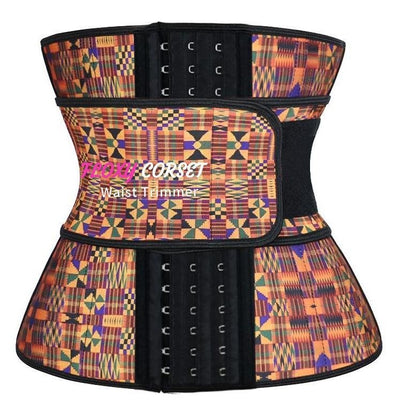
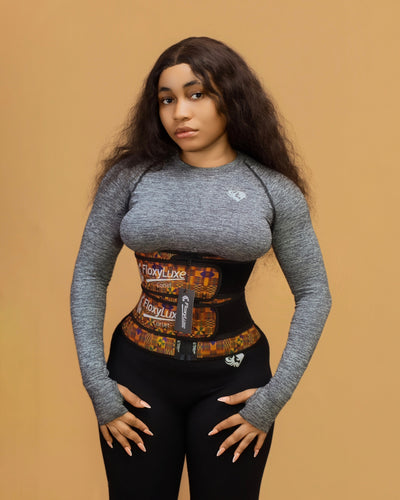
 Shop: FloxyLuxe PowerFit Double Belt Waist Trainer →
You smooth your waist trainer into place, get dressed, and feel put-together — for about ten minutes. Then you sit down, reach for something, or simply move through your day, and the top edge curls inward. A roll of fabric digs into your ribs or stomach, a visible bulge appears under your clothes, and you're back in the bathroom tugging it flat. Again.
It's one of the most common complaints in shapewear, and it's genuinely annoying. The good news: rolling is a fit problem, not a "you" problem. Once you understand why it happens, the fixes are straightforward.
Why Waist Trainers Roll Up (or Fold Down)
1. It's Too Small or Too Tight
The single most common cause. When a trainer is too small, the fabric has nowhere to go, so under pressure it folds and rolls over itself — usually at the top edge or across the abdomen when you sit. Counterintuitively, a tighter trainer rolls more, not less. A trainer should feel snug, never painful.
2. It's Too Big and Shifting
The opposite problem. If there's slack, the trainer isn't gripping your body, so it slides and migrates as you move — rolling down at the waistband or up from the bottom. No structure can hold a garment that isn't making firm contact.
3. The Length Doesn't Match Your Torso
This is the one people miss. A trainer that's too tall for a shorter torso has nowhere to sit — it overlaps your hips or bust and buckles in the middle. Likewise, a short band on a longer torso leaves too little surface area to stay put. Height matters as much as waist size.
4. There's Nothing Anchoring It
A single thin band sitting on bare skin, with no second layer or structural support, has very little holding it in position. Movement does the rest.
How to Fix a Waist Trainer That Rolls Up
Start With an Accurate Measurement
Before anything else, measure. Use a soft tape measure at the narrowest part of your waist — generally about two inches above the belly button — and keep the tape level and snug, not pulled tight. Order from your real number, not the number you wish you were.
A key rule: if you fall between two sizes, go up, not down. The smaller size is the one that pinches and rolls. Always check the size chart on each product page, since fit varies between styles.
Browse the full waist trainer collection and compare each style's size guide before you buy — that single step prevents most rolling problems.
Choose a Structured, Roll-Resistant Style
Style is your biggest lever. Designs with more coverage and firmer construction simply have less freedom to fold:
- Double-belt designs add a second adjustable layer over the core garment, which distributes pressure and locks the top edge down. Our black double-belt waist trainer is built around exactly this — the outer belt holds the inner panel flat so it resists the curl-and-roll you get from a single thin band.
- Longline and higher-waisted styles cover more of the torso, smoothing the abdomen across a larger area so there's no short edge to flip over.
- Firm, boned construction keeps the garment's shape against your body rather than letting it concertina when you bend or sit.
Match the Height to Your Torso
If a trainer overlaps your hips when you sit, or pushes up into your bust, it's too tall for you — look for a shorter style. If a short band keeps creeping, a longline cut gives it more surface to grip. When the height is right, the trainer sits in the natural curve of your waist and stays there.
Anchor It in Place
A few low-effort habits make a real difference:
- Tuck it under your bra. Put the trainer on first, settle it, then put your bra on over the top edge so the band pins it down. Simple and effective.
- Layer over a smooth base. A thin seamless cami or tank under the trainer gives it something to grip besides bare skin and stops it migrating.
- Position it correctly. Center it at your natural waist — not riding up toward the ribs or sliding onto the hips.
Mind Your Posture and Break-In Period
A new trainer is at its stiffest and most likely to fold around the midsection when you sit hunched. Sitting tall, with your back supported, reduces the slack that causes mid-body folding. Most trainers also soften and mold to your shape over the first few wears, so some early adjustment is normal — that's the break-in, not a defect.
When You're Between Bodies, Add an Extension
If you're transitioning between sizes — or the hook row sits awkwardly and creates a gap that lets the trainer shift — a waist trainer extension widens the closure so the garment makes even, full-contact pressure instead of straining at one point. Even tension all the way around is what keeps the edges flat.
A Quick Comfort Note
Shapewear should feel snug and supportive, never painful. If you experience sharp pinching, numbness, difficulty breathing, or any pain, take it off and size up or switch styles. A waist trainer is a styling and silhouette garment — it isn't a substitute for medical advice. If you have ongoing discomfort or any health concerns, check with your doctor before wearing one.
Frequently Asked Questions
Why does my waist trainer roll up when I sit down?
Sitting compresses your midsection, and if the trainer is too tight, too tall for your torso, or unstructured, the fabric has nowhere to go and folds. Sizing correctly, choosing a structured style like a double-belt design, and sitting with good posture usually solve it.
Should I size down to stop my waist trainer from rolling?
No — sizing down is the most common mistake. A too-small trainer rolls more because the fabric is forced to fold over itself. If you're between sizes, go up, then rely on the trainer's adjustability for a snug fit.
Do double-belt waist trainers roll up less than single-band ones?
Generally, yes. The second belt adds a layer of structure and even pressure that holds the core garment flat, so there's far less tendency for the top edge to curl compared with a single thin band.
How do I keep my waist trainer from rolling down at the top?
Tuck the top edge under your bra so the band pins it in place, wear it over a smooth seamless layer for grip, and make sure it's the right height for your torso so it sits in your natural waistline.
Is it normal for a new waist trainer to fold a little at first?
Some adjustment in the first few wears is normal as the garment breaks in and molds to your shape. Persistent rolling after that points to a fit issue — usually size or length — rather than the break-in period.
The Bottom Line
A waist trainer that rolls up is telling you something about its fit. Measure accurately and size up if you're on the fence, match the height to your torso, pick a structured style, and anchor it under your bra or over a smooth layer. A double-belt design does a lot of that work for you. Explore the full waist trainer range to find the cut that sits flat and stays put — comfortably, all day.