

Plus Size Waist Trainer: A Realistic, Body-Positive Guide
A plus size waist trainer should feel snug and supportive — never pinching, never cutting off your breath. The key is choosing the right size for your actual measurements (and sizing up when you are between sizes), looking for longline or double-belt designs that distribute support, and using an extender when you need a little extra room. Fit comfortably first; everything else follows.
If you have ever ordered a waist trainer online only to find it digs into your ribs, rolls down, or simply will not close — you are not the problem. Most trainers are cut for a narrow range of bodies, and the comfortable, well-fitting options for fuller figures can be genuinely hard to find. This guide is here to fix that, with honest advice and zero shame.
Why Finding a Plus Size Waist Trainer Feels So Hard
 Shop: FLOXYLUXE WAIST TRAINER EXTENSION →
The frustration is real, and it is not in your head. Many brands stop their sizing well before they reach the bodies of most women, and the pieces that do go larger are often just scaled-up versions that ignore how curves actually sit. The result is a trainer that pinches at the waist, gaps at the hips, or rolls at the top.
A good plus size waist trainer is designed — not stretched — for a fuller figure. That means more hook-and-eye rows for adjustability, support across a longer torso, and fabric that has give without losing its shape. When the design starts from the right place, comfort stops being a compromise.
Getting Your Size Right (This Matters Most)
Sizing is the single biggest factor in whether you will actually enjoy wearing your trainer. Grab a soft measuring tape and measure the narrowest part of your natural waist, usually an inch or two above your belly button, keeping the tape level and snug but not pulling tight.
Always size up when you are between sizes
If your measurement falls between two sizes, choose the larger one. You can always tighten a trainer onto a closer row of hooks as your body settles into it, but you cannot make a too-small trainer bigger. A piece that is one size too small is the number one reason trainers get pinching, rolling, and abandoned in a drawer.
The one-finger comfort check
A well-fitted waist trainer should feel like a firm, supportive hug. You should be able to slide one finger between the trainer and your skin, take a full breath, and move without sharp pinching. If you cannot breathe deeply or it pinches when you sit, it is too tight — loosen a row or size up. Browse the full range in our waist trainer collection to find a starting size with room to adjust.
When and How to Use a Waist Trainer Extender
Some days your body needs a little more room — after a meal, around your cycle, or simply because comfort comes first. That is exactly what an extender is for. A waist trainer extender adds extra hooks to the closure so you can widen the fit without buying a whole new piece.
Our FloxyLuxe Waist Trainer Extension hooks onto your existing trainer to give you that extra breathing space when you want it, then comes off when you are ready for a closer fit again. It is a small, affordable add-on that makes a trainer far more wearable across the ups and downs of a normal day. Think of it as flexibility, not failure — adjusting your fit is a sign you are listening to your body.
Longline and Double-Belt Support for Fuller Figures
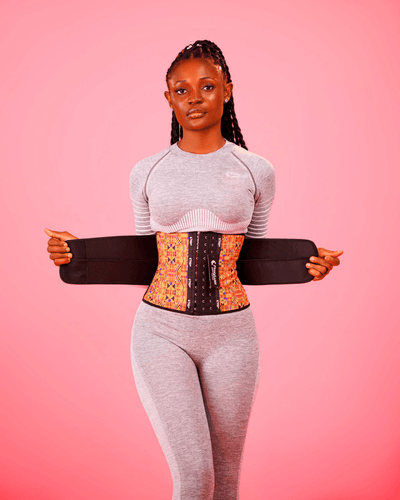
For many plus size bodies, a short cincher is the wrong shape entirely. It rides up, rolls at the top, and concentrates all its pressure in one narrow band. A longline or double-belt trainer solves this by spreading support over a larger area.
Why longline works
A longer trainer reaches higher up the torso and lower over the tummy, so it stays put and feels smooth under clothing instead of creating a visible ridge. The extra length also means the compression is gentler at any single point because it is shared across more of your body.
Double-belt for adjustable, stay-put support
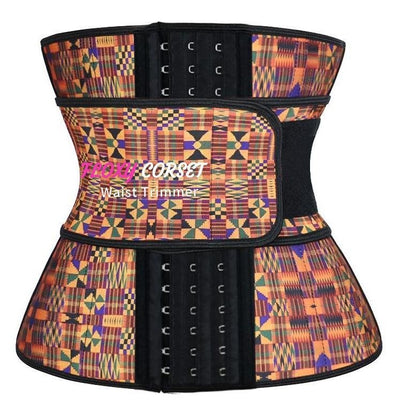
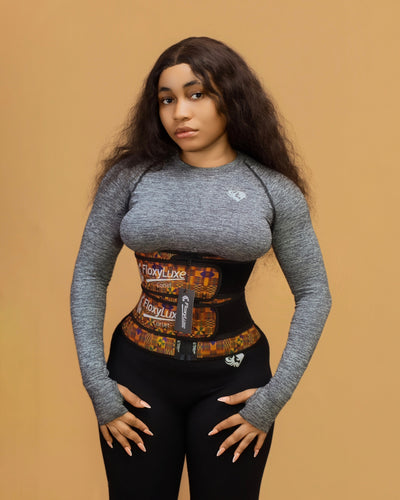
A double-belt design adds a second adjustable band over the closure, letting you fine-tune the fit and lock the trainer in place so it does not shift while you move. Our Black Double Belt Waist Trainer is a great example — the dual bands give you control over how firm the support feels and help everything stay smooth and secure through the day.
What a Waist Trainer Realistically Does (and Does Not Do)
Let's be honest and clear, because you deserve the truth. A waist trainer is a garment that shapes your silhouette while you wear it — it smooths your midsection, gives you a more defined line under clothing, and many people find the firm support makes them feel pulled-together and confident.
What it is not: it is not a weight-loss device, a medical treatment, or a way to permanently change your body. There is no garment that melts fat or reshapes you for good. If you have any health conditions, are pregnant or postpartum, or feel any pain or breathing difficulty, please talk to your doctor before waist training. Your comfort and health always come first.
Easing into it comfortably
If you are new to waist training, start with short sessions — an hour or two — on a looser row of hooks, and build up only if it feels good. Never push through pain, numbness, or breathlessness. The goal is a garment that supports your day, not one you have to endure.
Wear It for You: Confidence on Your Terms
Here is the part that matters most. The best reason to wear a waist trainer is because it makes you feel good — more polished in an outfit, more supported through a long day, more like the version of yourself you want to show up as. That is reason enough.
Every body is worth dressing well and feeling great in, exactly as it is today. A plus size waist trainer is simply one tool that can help you feel confident — not a requirement, not a fix, and never a verdict on your worth. Choose the fit that feels good, adjust it without guilt, and wear it for nobody but you.
Frequently Asked Questions
What size plus size waist trainer should I order?
Measure the narrowest part of your natural waist with a soft tape, keeping it level and snug. Match that to the size chart, and if you fall between two sizes, choose the larger one — you can always tighten onto a closer hook row, but you cannot enlarge a too-small trainer.
How tight should a waist trainer be?
Snug and supportive, like a firm hug — never painful. You should be able to fit one finger between the trainer and your skin, breathe fully, and sit and move without sharp pinching. If you cannot, loosen a row or size up.
What is a waist trainer extender and do I need one?
An extender adds extra hooks to your trainer's closure so you can widen the fit for comfort — handy after meals, during your cycle, or any day you want more room. The FloxyLuxe Waist Trainer Extension attaches to your existing trainer so you can adjust without buying a new one.
Why is a longline or double-belt trainer better for plus size?
Longer and double-belt designs spread support over more of your torso instead of one narrow band, so they stay put, feel smoother under clothing, and avoid the rolling and pinching that short cinchers often cause on fuller figures.
Will a waist trainer help me lose weight?
No. A waist trainer shapes your silhouette while you wear it but does not cause weight loss or permanently change your body, and it is not a medical device. If you have any health concerns or feel discomfort, please consult your doctor before wearing one.
Ready to find your fit? Explore the full waist trainer collection, or start with the FloxyLuxe Waist Trainer Extension for adjustable, comfortable support.