

Do Waist Trainers Actually Work? An Honest Guide
The honest answer: yes and no. A waist trainer works for temporary shaping — it compresses your midsection to create a smoother, more cinched silhouette while you wear it, which is genuinely useful under clothing or for a special outfit. What it does not do is permanently shrink your waist, burn fat or melt away belly fat. Any "slimming" you see disappears once the garment comes off. If you understand it as a styling and posture tool rather than a weight-loss device, a waist trainer can absolutely deliver what you actually want from it.
Below, we'll walk through what waist trainers really do, what they don't, the science behind the claims, and how to set realistic expectations.
What a Waist Trainer Actually Does
 Shop: Sculpt Triple Strap Waist Trainer →
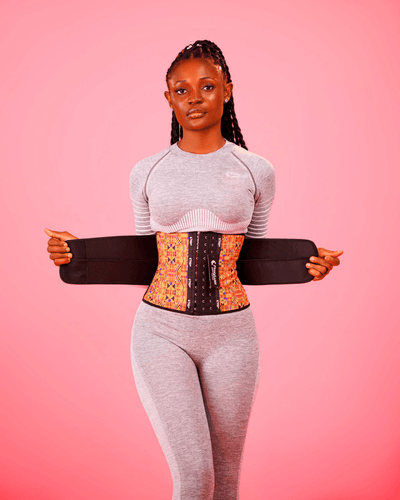
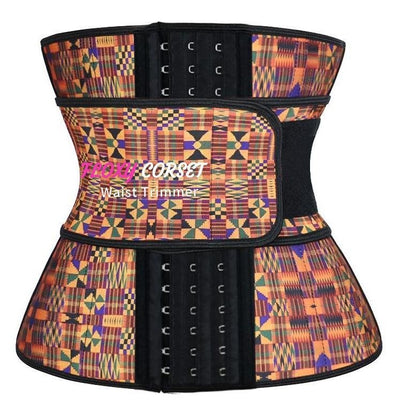
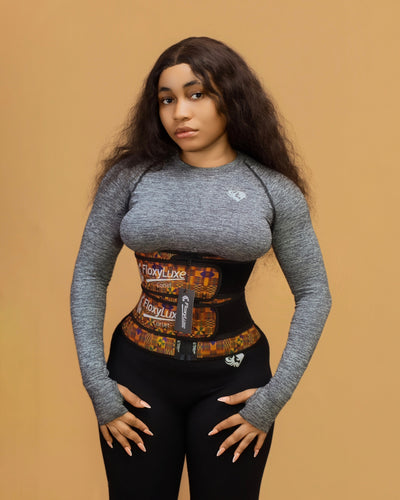
A waist trainer is a firm, structured compression garment — often reinforced with steel boning and a latex or fabric core — that wraps tightly around your midsection. Here's what that compression genuinely achieves:
- Instant smoothing and shaping. The garment redistributes soft tissue and flattens your midsection, giving a visibly more contoured waistline for as long as you wear it.
- Posture support. The rigid boning encourages you to sit and stand more upright, which many people find supportive during long days.
- Confidence under outfits. A smooth, cinched line under a dress, bodycon piece or tailored top is the most reliable, real benefit people get.
For this kind of structured compression, a heavily reinforced design like the Triple-Strap Compression 9 Steel-Bone Latex Waist Trainer with Hook delivers a firmer, more sculpted hold than lighter everyday shapers. You can browse the full waist trainer collection to compare compression levels.
What a Waist Trainer Does Not Do (Debunking the Myths)
This is where honesty matters most. Marketing claims around waist trainers have run far ahead of the evidence.
Myth: "Waist trainers burn fat"
They do not. A waist trainer cannot burn fat, melt belly fat or perform any kind of "spot reduction." There is no mechanism by which squeezing your midsection turns fat into anything else. According to Cleveland Clinic, waist trainers don't burn fat, and any visible change is purely the result of compression that vanishes the moment you take the garment off.
Myth: "The number on the scale goes down, so it's working"
If the scale dips after wearing one, that's water weight from sweating — not fat loss. Medical News Today notes that any temporary weight change is due to fluid loss through perspiration, and it returns as soon as you rehydrate.
Myth: "Wear it long enough and your waist stays smaller"
Harvard Health is direct on this: once you "uncinch," your body returns to its natural shape. There is no lasting reshaping of the waist from wearing a trainer.
The Science, Honestly
Peer-reviewed research on waist trainers is genuinely limited. The studies and clinical commentary that do exist point in one consistent direction: any slimming effect is temporary and cosmetic, driven by compression rather than physiological change. Healthline summarizes the medical consensus that there's little scientific evidence to support claims of weight loss, fat burning or core strengthening from waist trainers.
It's also worth being upfront about the trade-offs of wearing one too tightly or for too long. Medical sources describe potential downsides of prolonged, very tight wear, including:
- Restricted breathing and reduced lung capacity while cinched.
- Digestive discomfort, such as worsened heartburn, from pressure on the stomach.
- Weakened core muscles over time, because the garment does the supporting work your own muscles would otherwise do.
None of this means a waist trainer is inherently dangerous when worn sensibly — it means moderation matters. This article is general information, not medical advice. If you have any health condition — including pregnancy, heart, respiratory or digestive concerns — talk to your doctor before using a waist trainer.
Setting Realistic Expectations
Here's how to think about a waist trainer so you're happy with it rather than disappointed:
- Treat it as styling, not a diet. It shapes your silhouette now; it doesn't change your body long-term.
- Wear it comfortably. If you can't breathe normally, eat comfortably or it's leaving deep marks, it's too tight. Compression should feel firm, not painful.
- Ease into wear time. Start with shorter sessions rather than all-day use.
- Pair it with real habits. Lasting changes in body composition come from nutrition, movement and sleep — not from a garment. A waist trainer can be a confidence layer on top of those habits, not a substitute for them.
If your main goal is everyday smoothing and comfort rather than dramatic cinching, a lighter body shaper may suit you better than a steel-boned trainer. The right choice depends on how much compression and structure you actually want.
So, Should You Buy One?
Buy a waist trainer if you want a real, immediate tool for shaping your silhouette under clothing, posture support, and a confidence boost for specific outfits or occasions. Skip it — or at least reset your expectations — if you're hoping it will burn fat, shrink your waist permanently or replace healthy habits. Bought with honest expectations, a quality waist trainer does exactly one job well: it makes you look and feel sculpted while you're wearing it.
Frequently Asked Questions
Do waist trainers actually work?
Yes for temporary shaping, no for permanent change. They compress your midsection to create a smoother, cinched look while worn, but they do not burn fat or permanently reshape your waist. Your natural shape returns once you take it off.
Can a waist trainer help me lose belly fat?
No. Waist trainers cannot burn fat or target belly fat. Any drop on the scale after wearing one is water weight from sweating, which returns once you rehydrate. Fat loss comes from overall lifestyle factors, not compression garments.
How long should I wear a waist trainer each day?
There's no official medical guideline, so prioritize comfort and start with shorter sessions. If you experience trouble breathing, pain, heartburn or numbness, take it off. Prolonged very tight wear is associated with discomfort and weakened core muscles, so moderation is key.
Are waist trainers safe?
For most people they can be worn sensibly for short periods, but very tight or prolonged use may restrict breathing, cause digestive discomfort or weaken core muscles over time. They're not recommended during pregnancy or with heart, respiratory or digestive conditions. Check with your doctor first.
What's the difference between a waist trainer and a body shaper?
A waist trainer is firm and structured — often with steel boning and a latex core — for maximum cinching. A body shaper is typically lighter, designed for everyday smoothing and comfort. Choose based on how much compression and structure you want.
This guide is for general informational purposes only and is not medical or weight-loss advice. Always consult a qualified healthcare professional before starting to use a waist trainer, especially if you are pregnant or have any underlying health condition.
Sources: Cleveland Clinic · Harvard Health · Healthline · Medical News Today