

Diastasis Recti & Compression Wear: What to Know
Diastasis recti is a widening of the connective tissue between your abdominal muscles, most often after pregnancy. Supportive compression wear like a high-waist tummy shaper may help some people feel more comfortable, supported, and confident through the day, but it is not a treatment or cure. The evidence-based path to recovery is guided by a doctor or pelvic-floor physiotherapist, with core and pelvic-floor rehabilitation at its centre. This guide explains what diastasis recti is, the realistic role compression can play, and where to get proper care.
Disclaimer: This article is for general information only and is not medical advice. Shapewear is a comfort and support garment, not a medical device or treatment. If you think you have diastasis recti, or you have pain, please speak to your doctor or a pelvic-floor physiotherapist.
What is diastasis recti?
 Shop: HIGH WAIST TUMMY SHAPER →
Diastasis recti (also called diastasis recti abdominis, or DRA) is the separation, or widening, of the two bands of the rectus abdominis, the "six-pack" muscles that run down the front of your abdomen. These muscles are joined by a strip of connective tissue called the linea alba. During pregnancy, as the uterus expands, the linea alba stretches and thins, allowing the muscles to move apart.
It is very common. According to the Cleveland Clinic, abdominal separation affects a large share of people after childbirth. It can also occur in people who have not been pregnant, including from significant weight changes or activities that repeatedly strain the abdominal wall.
How you might notice it
The most recognisable sign is a bulge or "doming" down the centre of the belly, often just above or below the belly button. Some people notice their stomach still looks rounded or pregnant months or even years after giving birth. Others feel a softness or gap when they press along the midline, or notice that their core feels weak.
Diastasis recti can sometimes be linked to other issues such as lower-back discomfort, poor posture, or pelvic-floor symptoms, which is one reason a professional assessment is so valuable. A physiotherapist or doctor can confirm whether you have it and rule out other concerns.
Can compression wear help with diastasis recti?
This is where honesty matters. Compression wear, including shapewear and abdominal support garments, is not a treatment for diastasis recti and will not close the gap or heal the connective tissue on its own. What it can do, for some people, is offer a feeling of gentle support and a smoother silhouette under clothes.
The clinical picture is still developing. A systematic review of abdominal and pelvic-floor muscle training (published on the NIH's PubMed Central) notes there is limited high-quality evidence and no firm consensus on the single best way to manage diastasis recti. Some physiotherapists do recommend an abdominal binder or support garment alongside exercise, while research generally points to targeted exercise as the more effective element, particularly for the area below the belly button.
In plain terms: a supportive garment may make you feel held and more comfortable, but the meaningful, lasting work happens through guided rehabilitation, not the garment.
What supportive compression may offer day to day
- A feeling of support. Gentle, even compression around the midsection can feel reassuring, especially in the early postpartum weeks when the core feels weak. Always check timing and fit with your clinician first.
- Posture and comfort cues. Some people find that light support helps them feel more upright and comfortable during everyday activity. This is a comfort effect, not a medical correction.
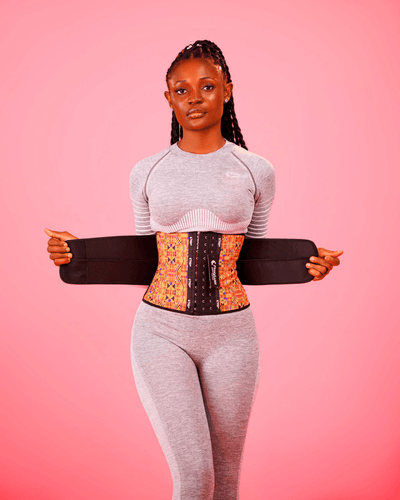
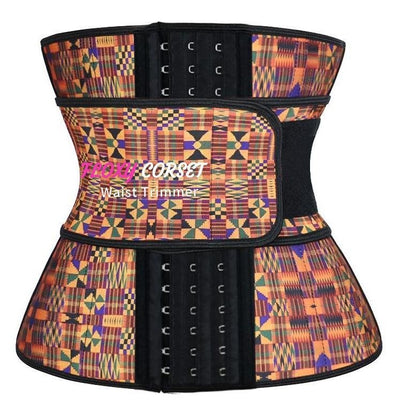
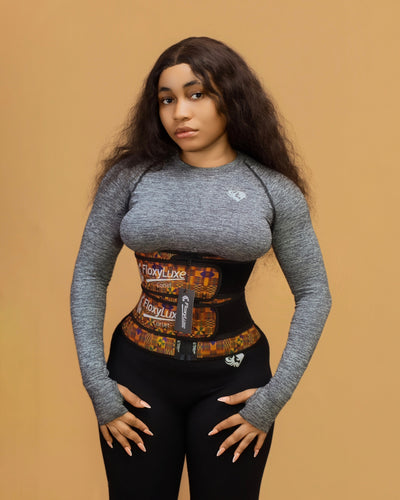
- Confidence under clothing. A smoother line can simply help you feel more like yourself while you do the longer-term work with a professional. Our high-waist tummy shaper is designed for that everyday, smoothing comfort.
What compression cannot do
- It cannot "close" the separation or repair the linea alba.
- It is not a substitute for assessment, exercise, or medical care.
- It will not deliver permanent change; any smoothing effect lasts only while the garment is worn.
If you ever feel pain, pins and needles, breathlessness, or pressure that worsens symptoms, stop wearing the garment and check in with your clinician.
The evidence-based path: doctor and pelvic-floor physiotherapy
The most supported approach to diastasis recti centres on professional guidance and rehabilitation rather than any product.
Start with an assessment. A doctor or a pelvic-floor (women's health) physiotherapist can confirm the diagnosis, measure the separation, and check related areas such as the pelvic floor and lower back. NHS physiotherapy resources describe diastasis after pregnancy (DRAM) as something that benefits from individualised guidance, and note that a larger separation may take several months and warrants specialist input to reduce the risk of longer-term problems like back pain or incontinence.
Rehabilitation focuses on the deep core. Reviews of physiotherapy practice highlight exercises that activate the deep abdominal muscle (the transversus abdominis) together with the pelvic-floor muscles, because these work as a coordinated support system. The right programme is tailored to you, progressed safely, and avoids movements that make doming worse, such as poorly executed crunches or sit-ups early on.
Be patient with the timeline. Recovery is gradual, often spanning many months. A specialist can tell you when, and whether, a support garment fits into your plan, and when it is safe to progress your exercises.
Surgery is a last resort for specific cases. In some severe or persistent cases, surgical repair may be discussed, but that is a conversation for your medical team, not a default option.
Choosing supportive shapewear sensibly (if your clinician agrees)
If, after speaking with your doctor or physio, you would like supportive everyday wear, a few practical principles help:
- Prioritise comfort over tightness. Support should feel gentle and even. Anything that pinches, digs, or makes breathing or movement harder is too tight.
- Look for breathable, body-friendly fabric and a high-waist cut that sits comfortably over the midsection without rolling. Browse the full body shaper collection to compare styles.
- Choose your size honestly. Sizing up for comfort is usually better than forcing a smaller size for more compression.
- Wear it for comfort, not correction, and follow any timing advice from your clinician, especially in the postpartum period. Pieces like our high-waist shapewear for women are made for that smooth, supported everyday feel.
The goal is simple: feel comfortable and confident while the real recovery work happens with your healthcare team.
Frequently Asked Questions
Will shapewear or compression wear close my diastasis recti?
No. Diastasis recti shapewear and compression garments can offer a feeling of support and a smoother silhouette, but they do not close the separation or heal connective tissue. Recovery is guided by a clinician, with core and pelvic-floor rehabilitation at the centre.
Is it safe to wear shapewear if I have diastasis recti?
For many people gentle, comfortable support is fine, but you should check with your doctor or pelvic-floor physiotherapist first, especially soon after birth. Stop and seek advice if a garment causes pain, pressure, breathlessness, or worsening symptoms.
What actually helps diastasis recti?
Current evidence points to professionally guided exercise, particularly deep core (transversus abdominis) and pelvic-floor training, as the most supported approach. A physiotherapist tailors and progresses the programme safely. Severe cases may be assessed for surgery by a medical team.
How long does recovery take?
It varies widely and is often gradual over several months. A larger separation may take longer and benefits from specialist physiotherapy input, so an individual assessment is the best way to set realistic expectations.
When should I see a doctor or physiotherapist?
See a professional if you notice a midline bulge or gap, ongoing core weakness, back pain, or pelvic-floor symptoms, or if you are unsure whether you have diastasis recti. They can confirm the diagnosis and build a safe plan for you.
FloxyLuxe makes comfort and support shapewear, not medical devices. Nothing here replaces personalised advice from a qualified healthcare professional.
Sources: Cleveland Clinic, Diastasis Recti (Abdominal Separation): Causes & Treatment; NHS Trust physiotherapy patient information on Diastasis Recti / DRAM following pregnancy; "What is the evidence for abdominal and pelvic floor muscle training to treat diastasis recti abdominis postpartum? A systematic review with meta-analysis" (NIH PubMed Central).