

How to Wear a Waist Trainer at the Gym (2026)
To wear a waist trainer for the gym without discomfort, choose a flexible sweat belt rather than a stiff, high-compression trainer, fit it snug but never tight enough to restrict a deep breath, and stick to low-to-moderate workouts where you can keep good form. If you ever feel short of breath, dizzy, or pinched, loosen it or take it off — comfort and easy breathing always come first, and you should check with a doctor before training in any compression garment.
That's the quick answer. Below we'll walk through which style suits the gym, how to fit it, how to keep breathing freely, which exercises pair well, the do's and don'ts, and how to keep your gear clean after a sweaty session.
The Discomfort Problem (and Why It Happens)
 Shop: Thermo Sweat Belt →
If you've ever pulled on a firm waist trainer before a workout and felt like you couldn't fill your lungs, you're not imagining it. A rigid, tightly cinched trainer presses against your ribs and diaphragm — exactly the muscles you rely on to breathe deeply when your heart rate climbs. That restriction is the single biggest reason people find gym waist training uncomfortable, and it's also a safety issue: restricted breathing during exercise can lead to fatigue, lightheadedness, or feeling faint.
The good news is that most of this discomfort comes down to the wrong garment and the wrong fit — both of which are easy to fix.
Sweat Belts vs. Firm Waist Trainers: Which Belongs at the Gym
Not every waist garment is built for movement, and this is the most important distinction to understand.
Sweat Belts — Built for Workouts
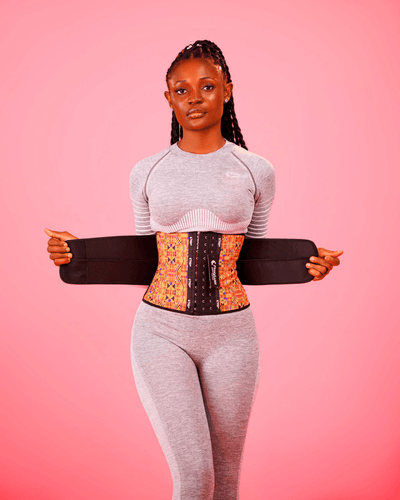
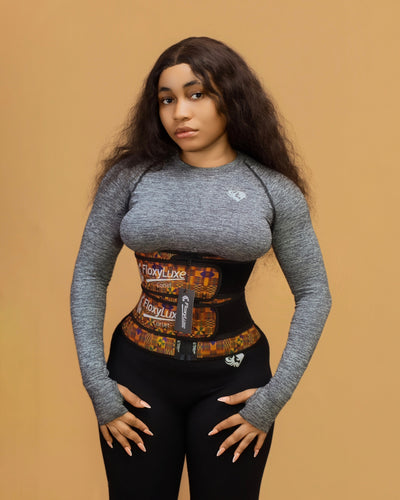
A sweat belt is typically made from flexible material like neoprene and is designed to be worn while you move. It allows a fuller range of motion, bends with your body, and doesn't lock your torso into a rigid shape. Because it flexes, it's far easier to breathe in — which makes it the more sensible choice for the gym. Our FloxyLuxe Sweat Belt is made for this exact use case: active, low-to-moderate sessions where you still want to move and breathe naturally.
One honest note: a sweat belt can make you perspire more, but sweating is not the same as fat loss. Any change on the scale right after a workout is water weight, and it returns when you rehydrate. Treat it as a comfort-and-support accessory, not a fat-burning tool.
Firm Waist Trainers — Better Off the Gym Floor
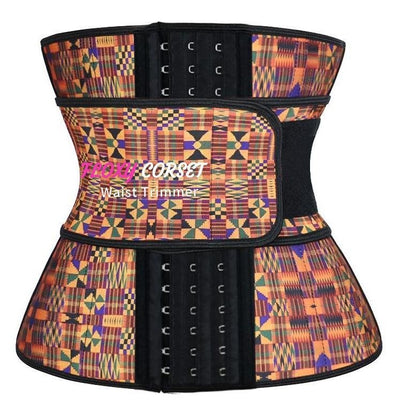
Firm, high-compression trainers (often latex and spandex with boning) are designed for static wear and a more dramatic shaping effect — not for dynamic exercise. They restrict breathing and movement far more, which is why they're poorly suited to cardio or anything that gets your heart rate up. If you love a structured trainer for everyday support, that's fine — just save it for outside the gym. You can browse both styles in our waist trainer collection and match the garment to the activity.
For more supportive coverage during light strength work, a vest-style option like the FloxyLuxe Waist Trainer Vest spreads compression across a larger area, which some people find more comfortable than a narrow band that digs in.
Getting the Fit Right
Fit is where comfort is won or lost. Aim for snug, not strangling.
- The breath test: Once it's on, take the deepest breath you can. If you can't fully expand your lungs, it's too tight — loosen it before you train.
- No pinching or rolling: The garment should sit flat against your skin without folding, digging into your ribs, or pinching your hips.
- Size to your measurement, not your goal: Choose based on your actual waist measurement. Sizing down to "cinch harder" is the fastest route to discomfort.
- Adjust as you warm up: Your body and breathing change once you're moving. It's normal to loosen a notch a few minutes in.
Keep Breathing Freely
Breathing is the priority, full stop. When you exercise, your diaphragm needs room to work. A few habits help:
- Practice slow, deep breaths before you start — if you can't breathe deeply standing still, you won't be able to mid-set.
- Favor flexible materials that move with your ribcage rather than rigid boning.
- Listen for the warning signs: shortness of breath, dizziness, tingling, or feeling faint. Any of these means stop and remove the garment.
Which Exercises Pair Well — and Which to Skip
A waist belt suits movements where you can maintain steady form and steady breathing.
Good fits:
- Brisk walking or incline treadmill
- Light to moderate jogging
- Steady-state strength training with controlled, moderate loads
- Posture-friendly, low-intensity work like gentle Pilates
Better to skip the belt for:
- High-intensity interval training (HIIT)
- Heavy, maximal lifting that demands full core bracing and big breaths
- Hot yoga, deep twists, or anything requiring large spinal flexion and full breath capacity
- Long, intense cardio that pushes your heart rate to its peak
The theme is consistent: if an activity demands deep breathing or a fully braced, freely moving core, lose the belt for that session.
Do's and Don'ts
Do:
- Start with short sessions and build up gradually
- Keep water nearby and sip regularly
- Choose breathable, flexible fabric for anything active
- Remove it the moment something feels wrong
Don't:
- Over-tighten to "speed up results" — there's no result to speed up this way
- Wear it for hours on top of a full workout
- Rely on it to brace heavy lifts; build genuine core strength instead
- Ignore pain, numbness, heartburn, or breathlessness
Hygiene After You Sweat
A workout garment that traps heat and moisture needs proper care, or it can start to smell and irritate your skin.
- Don't ball it up in your bag. Let it air out as soon as you finish.
- Rinse or wipe down sweat after each use; dried sweat is what causes odor and skin irritation.
- Follow the care label. Neoprene and latex-blend garments usually prefer hand-washing in cool water and air-drying flat — heat and machine drying can warp the material and damage closures.
- Let it dry fully before storing or wearing again to discourage bacteria.
- Keep skin in mind. If you notice redness, rubbing, or irritation, give your skin a rest day.
A Note on Safety
Compression garments aren't right for everyone, and they're styling-and-support accessories — not medical devices or weight-loss solutions. Before you train in any waist trainer or sweat belt, talk to your doctor, especially if you're pregnant or postpartum, recovering from surgery, or managing any heart, breathing, digestive, or circulatory condition. Strong, lasting core support comes from training your muscles directly — the belt is a comfort layer, not a substitute.
Frequently Asked Questions
Is it safe to wear a waist trainer at the gym?
It can be reasonable for low-to-moderate workouts if you choose a flexible style, keep the fit comfortable, and can breathe deeply throughout. Avoid it for high-intensity or maximal-effort training, and stop immediately if you feel breathless or dizzy. Check with your doctor first.
Will a waist trainer or sweat belt burn belly fat?
No. It can increase sweating around your midsection, but sweat is water weight, not fat. Any slimming look while wearing one is temporary compression. Fat loss comes from overall nutrition and consistent exercise.
Sweat belt or firm waist trainer for working out?
A sweat belt. Its flexible material moves with you and is much easier to breathe in. Firmer, high-compression trainers are designed for static wear and restrict movement and breathing more, so they're better kept off the gym floor.
How tight should it be during exercise?
Snug enough to feel supportive, loose enough to take a full, deep breath. If you can't breathe deeply, it's too tight. Loosen it before you start and adjust again as you warm up.
Can I wear it for HIIT or heavy lifting?
It's best avoided for both. HIIT demands deep, rapid breathing, and heavy lifting requires a fully braced core and big breaths — a belt works against both. Stick to walking, light jogging, or moderate strength work, and build real core strength over time.
Ready to train comfortably? Start with the flexible FloxyLuxe Sweat Belt, or compare supportive styles in our waist trainer collection to find the right fit for how you move.