

Waist Trainer vs Cincher vs Corset: The Difference
The quick answer: all three smooth and shape your midsection, but they're built differently. A corset is the most structured — rigid steel bones with back lacing for a sculpted, dramatic hourglass; a waist trainer uses flexible compression material and front hook closures for everyday wear and workouts; and a waist cincher is the lightest, stretch-based option for quick, subtle smoothing under clothes.
If you're deciding which to buy, the real question is how much structure you want and where you'll wear it. Below we define each garment, compare them side by side, and help you match the right one to your occasion.
What Is a Corset?
 Shop: FloxyLuxe Empress Steel Boned Underbust Corset →
A corset is the most structured garment of the three. It's built around rigid boning — typically a mix of flat steel and spiral steel bones sewn into fabric panels — and closes with laces (usually at the back) so you control exactly how much it cinches. Because the steel resists the inward pull of the lacing, a corset holds a firm, intentional shape rather than just compressing soft tissue.
Corsets come in underbust and overbust styles. Underbust corsets sit below the chest and focus compression on the waist, which many people find more comfortable for longer wear and easier to pair with their own bra and tops. Materials range from cotton and satin to leather and mesh.
Corsets deliver the most dramatic silhouette of the three, which is why they're a go-to for formal events, photography, and statement looks. Our steel-boned underbust satin lace-up corset is an example of this category — structured, lace-adjustable, and built for a sculpted finish.
What Is a Waist Trainer?
A waist trainer is a compression-first garment made from flexible materials such as latex, neoprene, or stretch fabric, fastened with front hook-and-eye closures (often multiple rows so you can adjust the fit). Instead of lacing you into a fixed shape, it wraps the midsection in firm, even compression that smooths and supports.
Because waist trainers move with you and lie flat against the body, they're the most wearable option for daily life, layering under clothes, and the gym — many people wear them for posture and core support during workouts. The shaping effect lasts while the garment is on; it's a styling and support tool, not a permanent change to your body.
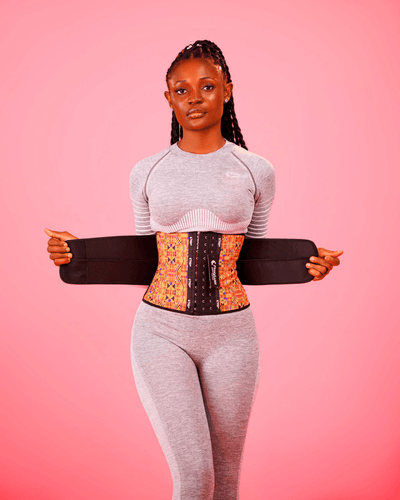
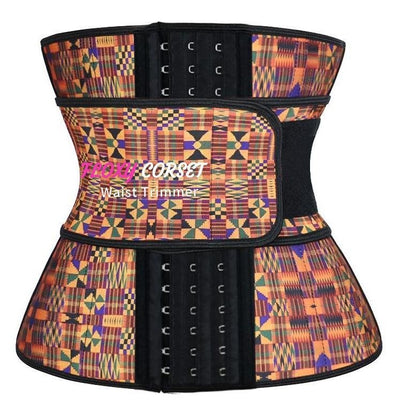
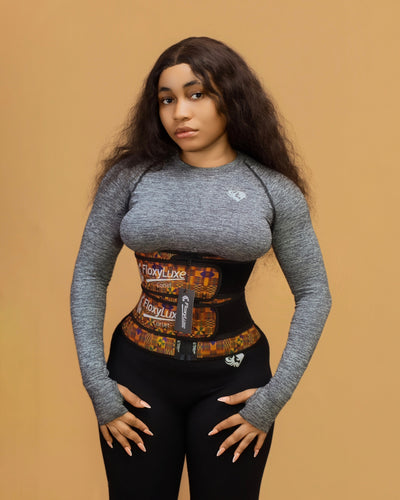
Waist trainers also come in style-forward designs. Our detachable patterned waist trainer with hook closure is a good example of the everyday, adjustable category. You can browse the full range in our waist trainer collection.
What Is a Waist Cincher?
A waist cincher is the lightest and simplest of the three. It's typically made from a stretch material — often spandex or a spandex/latex blend — with fewer (or no) steel bones and a hook-and-eye or wrap closure. The goal is fast, gentle smoothing rather than dramatic sculpting.
Because cinchers are thin and flexible, they're the easiest to conceal under fitted clothing and the quickest to put on. They give a subtle slimming effect for everyday outfits, but they don't deliver the firm hold of a boned corset or the structured compression of a dedicated waist trainer.
Waist Trainer vs Cincher vs Corset: Comparison Table
| Feature | Corset | Waist Trainer | Waist Cincher |
|---|---|---|---|
| Construction | Rigid steel boning in structured fabric panels | Flexible compression material (latex, neoprene, stretch fabric) | Lightweight stretch material, few or no bones |
| Closure | Back lacing (often with a front busk) | Front hook-and-eye, often multiple rows | Hook-and-eye or wrap closure |
| Firmness | Firmest, most structured | Firm, even compression | Lightest, gentle smoothing |
| Use case | Formal events, statement looks, photography | Everyday wear, layering, workouts, posture support | Quick smoothing under fitted clothes |
| Who it's for | Those wanting a dramatic, sculpted hourglass | Those wanting wearable, adjustable daily support | Those wanting a subtle, low-effort smoothing layer |
How to Choose the Right One
The best garment depends on your goal and your day.
Choose a corset if…
You want the most dramatic shaping for a specific occasion — a wedding, a gala, a photoshoot, or any look where a sculpted hourglass is the point. The lacing lets you fine-tune the fit, and the steel boning holds the shape. An underbust style is often the most comfortable starting point.
Choose a waist trainer if…
You want something you can actually live in. Waist trainers suit everyday smoothing, layering under outfits, and core and posture support during workouts. The front closures make them quick to put on and adjust as your comfort changes through the day.
Choose a waist cincher if…
You want the lightest, most discreet option for a quick smoothing layer under fitted clothing, with minimal structure and easy on-and-off.
A note on comfort and fit
Whichever you choose, fit matters more than firmness. A garment should feel snug and supportive, never painful, and you should be able to breathe comfortably and remove it easily. Start gently, listen to your body, and if you have any health conditions, are pregnant or postpartum, or feel discomfort, talk to a qualified healthcare professional before wearing any shaping garment. These products are designed for shaping, posture, and occasion styling — not as a medical or weight-loss device.
Frequently Asked Questions
What is the main difference between a waist trainer and a corset?
Construction and closure. A corset uses rigid steel boning and back lacing for a structured, dramatic hourglass, while a waist trainer uses flexible compression material with front hook-and-eye closures for adjustable, everyday support. Corsets shape more dramatically; waist trainers are more wearable day to day.
Is a waist cincher the same as a waist trainer?
Not quite. A waist cincher is usually lighter, made from stretch fabric with few or no bones, and aimed at quick, subtle smoothing. A waist trainer offers firmer, more structured compression and is built for longer everyday wear, layering, and workout support.
Which is best for everyday wear under clothes?
A waist trainer or a waist cincher is usually easier to conceal and more comfortable for all-day wear than a corset, because both lie flatter against the body and don't rely on rigid back lacing. A cincher is the most discreet; a waist trainer gives firmer support.
Which gives the most dramatic hourglass shape?
A steel-boned corset. Its rigid boning and adjustable lacing create the firmest, most sculpted silhouette, which is why corsets are popular for formal occasions and photography.
Can I wear a waist trainer to the gym?
Many people wear waist trainers during workouts for core and posture support, and they're made from flexible materials that move with you. Choose a breathable fit, don't over-tighten, and consult a healthcare professional first if you have any concerns or existing conditions.
Ready to choose? Explore the full waist trainer collection for everyday support, try the detachable patterned waist trainer for an adjustable daily option, or go structured with the steel-boned underbust satin lace-up corset for a statement hourglass.