

Waist Trainer Side Effects: What's Normal vs. a Warning Sign
Quick answer: Mild, temporary side effects from a waist trainer — light pressure, a snug "hugged" feeling, and a reminder to sit up straight — are common when the fit is correct. Side effects that are not normal include difficulty breathing, numbness or tingling, sharp or persistent pain, lightheadedness, and worsening acid reflux. If you feel any of those, take the trainer off immediately. A waist trainer is a styling and posture garment, not a medical device or a weight-loss tool. If symptoms persist or you have any underlying health condition, talk to your doctor before wearing one.
Health disclaimer: This article is for general information only and is not medical advice. It does not diagnose, treat, or prevent any condition. Everyone's body is different. Always consult a qualified healthcare professional before using a waist trainer — especially if you are pregnant, postpartum, recovering from surgery, or living with a digestive, respiratory, or circulatory condition.
What a Waist Trainer Actually Does
 Shop: Invisible Sculpt Waist Trainer →
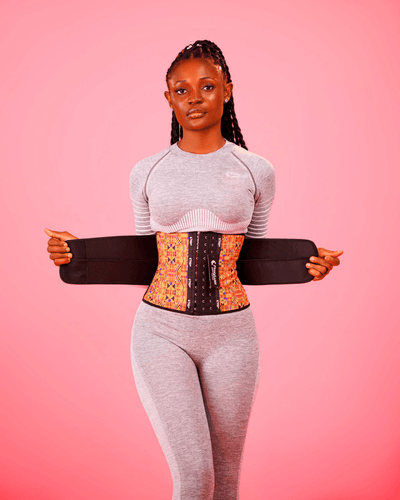
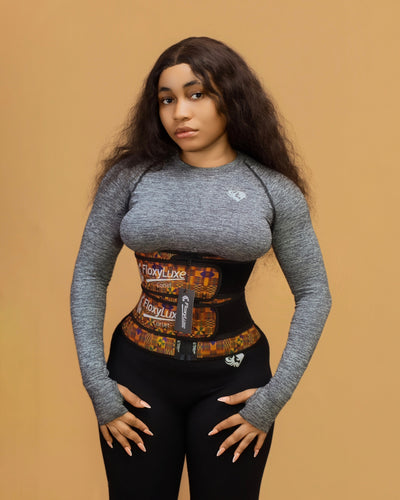
A waist trainer is a firm, compressive garment worn around the midsection. It works by applying inward pressure to temporarily smooth and shape your silhouette under clothing. That's the honest scope: shape and support while you wear it.
It does not melt fat, permanently shrink your waist, or replace exercise and a balanced diet. Cleveland Clinic is direct on this point — waist trainers don't deliver lasting weight loss or permanent body reshaping, and most claimed benefits are temporary. Understanding that the effect is cosmetic and short-term is the foundation for using one safely.
Comfort vs. Warning Signs: How to Tell the Difference
Because a waist trainer compresses your core, your body will notice it. The skill is distinguishing harmless adjustment from a genuine warning sign.
Side Effects That Are Usually Normal
When the fit is correct and wear time is sensible, these are common and typically harmless:
- A snug, supported feeling around the waist and lower back
- Awareness of your posture — many people naturally sit and stand taller
- Slightly smaller portions feeling comfortable, simply because there's less room to overfill your stomach
- Mild skin marks that fade soon after you take it off
If that's all you experience, the garment is likely doing its job without overstepping.
Warning Signs — Stop Wearing It
These are not normal. If any appear, remove the trainer right away:
- Difficulty breathing or shortness of breath. Compression around the ribs and diaphragm can restrict how deeply you breathe. Research summarized by Healthline found waist trainers can measurably reduce how much air you move in and out, so genuine breathing difficulty is a clear stop signal.
- Numbness, tingling, or "pins and needles." Cleveland Clinic notes that very tight shaping garments can compress nerves — more likely if the fit is too small — leading to tingling or numbness. This means it's too tight or worn too long.
- Sharp, persistent, or worsening pain. Pressure on internal organs and ribs can cause real discomfort. Pain is never something to push through.
- Heartburn or acid reflux. Pressure on your midsection can force stomach acid back up into the esophagus. Both Cleveland Clinic and Healthline flag that tight waist garments can trigger or worsen reflux, and can make existing GERD worse.
- Lightheadedness, dizziness, or food regurgitation after eating. All signs to stop and reassess.
Listen to your body over the mirror. A flatter silhouette is never worth ignoring these signals.
Why These Side Effects Happen
It helps to understand the mechanism so you can wear a trainer intelligently.
- Breathing: The garment limits how far your ribcage and diaphragm can expand, which is why deep breaths can feel harder. This is the most-studied effect.
- Reflux: Squeezing the abdomen raises pressure on the stomach, which can push acid upward — the same reason tight waistbands aggravate heartburn.
- Nerves and circulation: Concentrated pressure on one area can pinch nerves or affect blood flow, producing numbness or tingling, particularly with an undersized fit.
- Long-term concerns: Cleveland Clinic and Healthline both caution that prolonged, excessive use has been associated with digestive issues, weakened core muscles, and pressure on internal organs. These risks rise with very tight fit and long daily wear — not with occasional, sensible use.
How to Wear a Waist Trainer Safely
Most side effects come down to two things: fit and time. Get those right and you dramatically lower your risk.
Choose the Right Fit
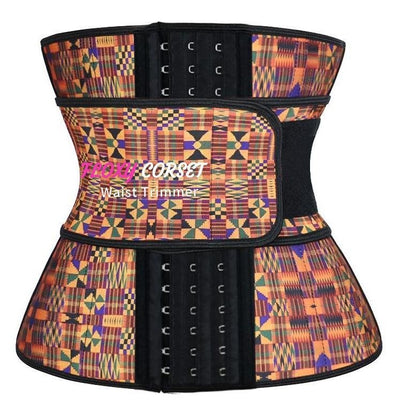
Snug is fine; you should still be able to breathe normally, eat comfortably, and move. If you can't take a full breath, it's too tight — size up. Our waist trainer collection includes options across builds, and a structured pick like the 29 Steel Bone Invisible Waist Trainer is designed to distribute support smoothly rather than digging into one spot.
Start Short and Build Gradually
If you're new, begin with short sessions — around an hour — and see how your body responds before extending. Health professionals quoted by Healthline suggest keeping waist-trainer use limited and temporary, ideally a couple of hours at most, rather than all day.
Skip High-Risk Situations
- Don't sleep in it. Healthline specifically advises against sleeping in a waist trainer.
- Don't wear it for intense workouts that leave you breathless. If your goal is a supportive layer for movement or sweat sessions, a lighter, more flexible option like the FloxyLuxe Sweat Belt is a gentler choice than a tightly hooked trainer.
- Don't wear it through meals if it triggers reflux. Loosen or remove it when you eat.
Care for Your Skin and Core
Wear a thin layer underneath, keep the garment clean and dry, and give your skin breaks. Don't rely on a trainer in place of core-strengthening movement — your own muscles are the real long-term support.
When to Stop and See a Doctor
Take the trainer off immediately and contact a healthcare professional if you experience:
- Trouble breathing that doesn't ease quickly once it's off
- Numbness or tingling that lingers
- Chest pain, severe abdominal pain, or pain that keeps returning
- Frequent or worsening acid reflux and heartburn
- Dizziness, fainting, or repeated regurgitation after eating
You should also speak with your doctor before using a waist trainer if you are pregnant or postpartum, recovering from surgery, or managing any digestive, respiratory, heart, or circulatory condition. When in doubt, ask a professional — it's always the safer call.
The Bottom Line
A well-fitted waist trainer worn for short, sensible stretches is, for most healthy people, a low-drama styling tool. Mild pressure and posture awareness are normal. Breathing trouble, numbness, real pain, and reflux are not — they're your cue to stop. Prioritize fit over tightness, time over endurance, and your body's signals over the mirror. And because everybody is different, let a doctor weigh in on your specific situation.
Frequently Asked Questions
1. Are waist trainer side effects dangerous?
Most mild effects — snug pressure, posture awareness, faint skin marks — are harmless when fit and wear time are reasonable. Serious effects like breathing difficulty, numbness, pain, or reflux are warning signs to stop. Persistent or severe symptoms warrant a doctor's visit.
2. Is it normal to feel short of breath in a waist trainer?
A little awareness of your breathing can happen, but genuine shortness of breath is not normal. Research notes waist trainers can reduce how much air you move, so if breathing feels hard, the garment is too tight or worn too long — take it off.
3. Can a waist trainer cause acid reflux?
Yes, it can. Pressure on your abdomen can push stomach acid up into the esophagus, and both Cleveland Clinic and Healthline note tight waist garments can trigger or worsen reflux. If you have GERD, check with your doctor first and avoid wearing one during meals.
4. How long can I safely wear a waist trainer each day?
Start with short sessions of about an hour and build gradually based on comfort. Health professionals generally recommend keeping use temporary — a couple of hours at most — rather than all day, and never sleeping in it.
5. When should I see a doctor about waist trainer side effects?
See a doctor if you have lasting breathing trouble, ongoing numbness or tingling, chest or severe abdominal pain, frequent reflux, or dizziness and fainting. Also consult one before wearing a trainer if you're pregnant, postpartum, post-surgery, or have a relevant medical condition.
Sources: Cleveland Clinic — Waist Trainers: What You Should Know; Cleveland Clinic — A Doctor's Advice on Wearing Shapewear; Healthline — Are Waist Trainers Dangerous? Risks, Side Effects, and Alternatives; Healthline — Do Waist Trainers Work?; Healthline — Sleeping in a Waist Trainer. This content is informational and not a substitute for professional medical advice.
<!-- IN-BODY IMAGE PLACEMENT: insert product image of 29-steel-bone-invisible-waist-trainer-hook within the "Choose the Right Fit" section. No hero image. -->