

Steel-Boned Corset vs Waist Trainer: The Difference
The core difference is construction and how you put it on: a steel-boned corset is built around rigid steel bones and laces up at the back for a dramatic, sculpted hourglass, while a waist trainer uses a flexible latex or compression layer with hook-and-eye closures for everyday smoothing and support. Choose a steel-boned corset when you want maximum shaping and a statement silhouette for a special occasion; choose a waist trainer when you want comfortable, wearable support for daily life, the gym, or layering under clothes.
That's the short answer. Below, we break down how the two compare across construction, shaping style, comfort, use cases, durability, and sizing — so you can pick the right garment with confidence.
What Is a Steel-Boned Corset?
 Shop: FloxyLuxe Empress Steel Boned Underbust Corset →
A steel-boned corset is a structured garment defined by the rigid boning sewn into its panels. Instead of soft fabric or thin plastic ribs, it uses steel bones — typically a mix of flat steel and spiral steel — to hold a firm, intentional shape and resist the inward pull of the lacing.
Its other defining feature is the lace-up back. Tightening the laces lets you control exactly how much the corset cinches, which is why corsets are associated with a precise, dramatic hourglass. Many also have a busk (a rigid front fastening) so you can open and close the front without re-lacing each time. Corsets come as underbust (sits below the bust, most versatile for layering) or overbust (extends over the bust, often worn as outerwear). Because the structure is so firm, a quality steel-boned corset is engineered for a sculpted silhouette rather than casual all-day comfort.
What Is a Waist Trainer?
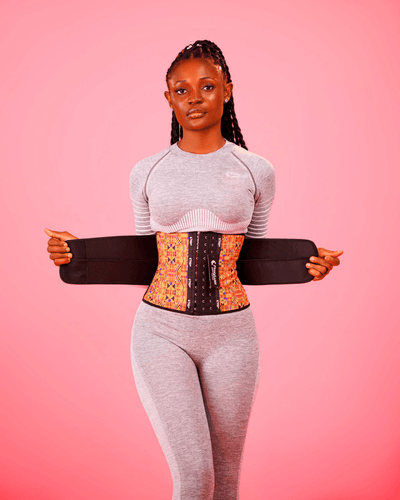
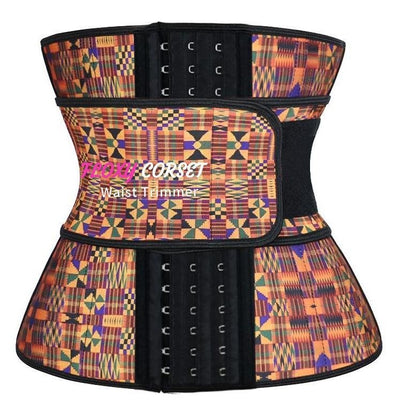
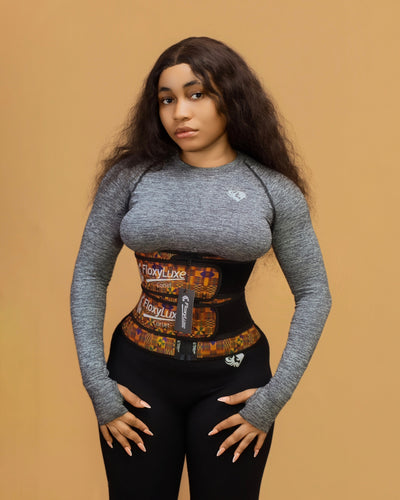
A waist trainer is a flexible compression garment designed to smooth and support the midsection. The compression usually comes from a latex or synthetic layer (neoprene, powernet, or nylon-spandex blends) that hugs the body with springy, elastic tension. Closures are typically rows of hook-and-eye fasteners down the front, sometimes paired with a zip or a flexible band, so you can adjust the fit across a few settings through the day.
Waist trainers contain boning too, but it's lighter and more flexible than a corset's — enough to stop the garment rolling, not to impose a rigid shape. The result is a garment you can move in, which is why waist trainers are the everyday, wearable option.
Steel-Boned Corset vs Waist Trainer: Construction
This is where the two genuinely differ, and it explains everything else.
Steel-boned corset
- Boning: rigid flat and spiral steel bones that hold firm structure.
- Closure: laces up the back (often with a front busk) for precise, adjustable cinching.
- Materials: structured fabrics like satin, brocade, or coutil, chosen to withstand lacing tension.
- Behaviour: the garment imposes a shape on the body and holds it firmly.
Waist trainer
- Boning: lighter, flexible boning that prevents rolling rather than sculpting.
- Closure: hook-and-eye rows (and sometimes a zip or band) for quick on-and-off.
- Materials: latex or stretch synthetics that compress and move with you.
- Behaviour: the garment hugs and smooths the body while staying flexible.
The takeaway: a corset is rigid and lace-adjusted for shaping; a waist trainer is flexible and hook-adjusted for wearable support.
Shaping Style
Both create a slimmer-looking waist while worn, but the character of the shape is different.
A steel-boned corset produces a defined, often dramatic hourglass. Because you control the cinch through lacing, the shaping is more pronounced and precise — ideal when the silhouette itself is the point. A waist trainer produces a smoother, more natural line that flatters the midsection and supports the back without the sharp cinch of a laced corset. It's the difference between "sculpted statement" and "smooth and supported." Neither effect is permanent — both shape the body only while worn.
Comfort
Comfort is the factor most first-time buyers underestimate.
A corset feels firm and structured by design. The steel bones and lacing create a held-in sensation many people love for short, special-occasion wear, but the rigidity makes it less suited to a full active day, and lacing takes practice. A waist trainer is built for wearability: the flexible compression moves with you, the hook closures go on in seconds, and most people find it comfortable for longer stretches. As with any shaping garment, fit matters most — a well-sized piece always feels better than a poorly sized one.
With either garment, start with short wear times and never tighten to the point of pain, restricted breathing, numbness, or pinching.
Use Cases: Special Occasion vs Daily and Gym
This is often the deciding question.
Reach for a steel-boned corset when:
- You want a dramatic hourglass for a wedding, event, photoshoot, or formal outfit.
- The silhouette is the main goal and you'll wear it for a defined window of time.
- You want precise, adjustable cinching via lacing.
Reach for a waist trainer when:
- You want everyday smoothing and back support under clothes.
- You want a garment that's easy to put on and move in.
- You're after light support during workouts or daily activity (with a comfortable, non-restrictive fit).
In short: corset for the statement moment, waist trainer for everyday life.
Durability
Both last well when cared for, but they age differently.
- Steel-boned corsets are durable thanks to their steel structure and heavy fabrics, but reward gentle treatment. "Seasoning" a new corset — wearing it gently before tightening fully — helps it mould to you and protects the seams. The laces and busk are the parts to watch over time.
- Waist trainers rely on the elasticity of their compression layer. Latex and stretch synthetics can soften or lose snap over time, especially with heat, oils, or rough washing, and the hook-and-eye closures see the most stress with daily use.
For both, care drives longevity more than the material itself.
Sizing
Getting the size right is the single biggest factor in comfort and results for either garment.
- Steel-boned corsets are usually sized to your natural waist measurement, then laced to your preferred reduction. There should always be a small, even gap at the back laces to give room to adjust — never lace to the point of discomfort.
- Waist trainers are sized by waist measurement against the brand's size chart, with hook rows to fine-tune. You should breathe and move comfortably on the loosest hook, then tighten gradually as the garment breaks in.
Always check the specific size guide for the product you're buying, and measure yourself rather than guessing from your dress size.
Care and Cleaning
- Spot-clean corsets where possible and follow the care label; heavy structured fabrics rarely tolerate machine washing. Store hung or flat, never crammed.
- Hand wash waist trainers in cool water with a gentle detergent. Never tumble dry or iron — heat damages latex and elastic synthetics. Air dry flat, away from direct sunlight.
The care label on your specific garment always overrides general advice.
Comparison Table
| Factor | Steel-Boned Corset | Waist Trainer |
|---|---|---|
| Boning | Rigid flat and spiral steel | Lighter, flexible boning |
| Closure | Lace-up back (often with front busk) | Hook-and-eye rows (sometimes zip/band) |
| Shaping style | Dramatic, precise hourglass | Smooth, natural line with support |
| Comfort | Firm and structured; best for set periods | Flexible; comfortable for longer wear |
| Best for | Special occasions, events, statement looks | Daily wear, layering, light gym support |
| Putting it on | Lacing (takes practice) | Quick hook closures |
| Sizing | Natural waist + laced reduction | Waist measurement + adjustable hooks |
| Care | Spot clean; gentle handling | Gentle hand wash; air dry flat |
Who Should Choose Which
Choose a steel-boned corset if you:
- Want a dramatic, sculpted hourglass for a special occasion.
- Like precise control over the cinch through lacing.
- Plan to wear it for a defined window rather than all day.
Choose a waist trainer if you:
- Want comfortable, everyday smoothing and back support.
- Prefer a garment that's quick to put on and easy to move in.
- Want versatility for daily life, layering, or light workouts.
If you're deciding between the two, browse the full waist trainer collection at FloxyLuxe to compare flexible styles. For a classic structured option, take a look at the 22-steel-boned underbust satin lace-up waist cincher. And if you want everyday support with an adjustable, removable design, the detachable Ashante patterned waist trainer is a versatile pick.
Frequently Asked Questions
What is a steel-boned corset?
A steel-boned corset is a structured garment that uses rigid steel bones (usually a mix of flat and spiral steel) and a lace-up back to create a firm, sculpted hourglass shape. The steel structure lets it cinch and hold a defined silhouette far more dramatically than a soft or plastic-boned garment.
What's the difference between a latex waist trainer and a corset?
A latex waist trainer uses a flexible rubber or synthetic compression layer with hook-and-eye closures, so it hugs and smooths the body while staying easy to move in. A corset uses rigid steel boning and back lacing to impose a precise, dramatic shape. The trainer is the everyday choice; the corset is the structured, special-occasion choice.
Which gives a more dramatic waist, a corset or a waist trainer?
A steel-boned corset typically gives the more dramatic cinch because lacing controls a firm reduction and the steel holds the shape. A waist trainer gives a smoother, more natural line. In both cases the effect lasts only while the garment is worn.
Is a corset or waist trainer more comfortable for all-day wear?
Most people find a waist trainer more comfortable for longer wear because the flexible compression moves with the body and hooks go on quickly. Corsets are firmer and better suited to set periods of wear. Comfort always depends on correct sizing.
Do corsets or waist trainers cause weight loss?
No. Both are shaping and support garments that create a smoother or more sculpted silhouette while worn and may encourage better posture. They do not cause weight loss or permanently change your body, and any slimming effect is temporary. If you have health, weight, or postpartum concerns — or any medical condition — speak with your doctor before wearing either garment.
The Bottom Line
The choice between a steel-boned corset and a waist trainer comes down to structure and purpose. A steel-boned corset, with its rigid steel bones and lace-up back, delivers a dramatic, sculpted hourglass for special occasions. A waist trainer, with its flexible compression and hook closures, delivers comfortable, wearable support for everyday life, layering, and light activity. Whichever you choose, prioritise correct fit, start with short wear times, never tighten to the point of discomfort, and check with a doctor if you have any health condition or are postpartum — the right shaping garment is the one that supports your confidence comfortably and safely.