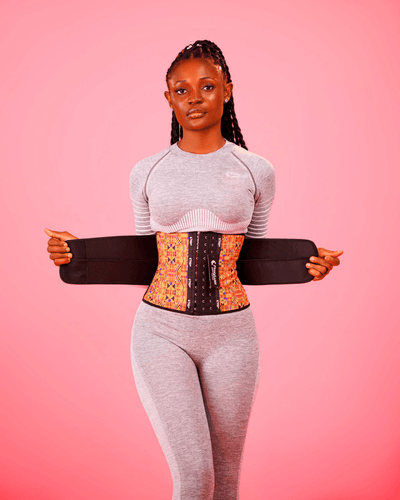


How Long Should You Wear a Waist Trainer Each Day?
If you're brand new, start by wearing your waist trainer for about 1–2 hours a day, then add an hour or so every few days as your body adjusts. Most people work up to a comfortable 6–8 hours over a couple of weeks, and you should treat that range as your everyday ceiling rather than a target to push past. The waist trainer should feel snug and supportive — never painful, pinching, or hard to breathe in.
That's the short version. Below we'll break down a realistic beginner timeline, how to build up safely, where to draw the daily limit, the warning signs that mean "take it off now," and why rest days matter.
The Two Mistakes Almost Every Beginner Makes
 Shop: SculptFit Waist Trainer Vest →
Here's the pain point: people get excited, pull the waist trainer as tight as it goes, and wear it all day on day one. By the afternoon they're uncomfortable, slightly out of breath, and convinced waist training "isn't for them." The other common mistake is the opposite — wearing it so loosely and so rarely that it never feels like it's doing anything.
Both come down to the same fix: a sensible schedule. Get the daily wear time right and the rest of the experience gets a lot more comfortable. A waist trainer is a styling and support garment, not a medical device or a weight-loss tool — so the goal is consistent, comfortable wear, not maximum hours or maximum tightness.
A Realistic Beginner Timeline
Think of your first few weeks as a break-in period — for the garment and for your body. There's no prize for rushing.
Week 1: Get Used to the Feeling
- Daily wear: roughly 1–2 hours.
- Closure: use the loosest setting first (the outermost hook row or a relaxed band tension).
- Goal: simply get used to the sensation of gentle compression. Wear it around the house, while you read, or while you run errands.
Week 2: Build Up Gradually
- Daily wear: work toward 3–4 hours, adding time only on days that felt good.
- Goal: confirm the fit still feels snug-not-tight after a couple of hours. If it does, keep extending.
Weeks 3–4: Settle Into a Routine
- Daily wear: many people land comfortably in the 6–8 hour range across the day.
- Goal: find a sustainable rhythm you can repeat — not a personal record.
This is a guideline, not a deadline. Some people stay at 2–3 hours indefinitely and are perfectly happy with how that fits into their day. Comfort and consistency beat intensity every single time.
How to Build Up Without Overdoing It
The simplest rule: add time slowly, and let comfort decide. A few principles that keep the build-up gentle:
- Increase in small steps. Adding about an hour every two to three days is plenty.
- Start loose, tighten later. Only move to a tighter hook row or band setting once the current one feels easy for your full session — never on day one.
- Repeat before you progress. If a wear length felt great two or three days in a row, that's your green light to extend.
- Don't stack it onto poor sleep or a heavy meal. Both make compression feel more intense than usual.
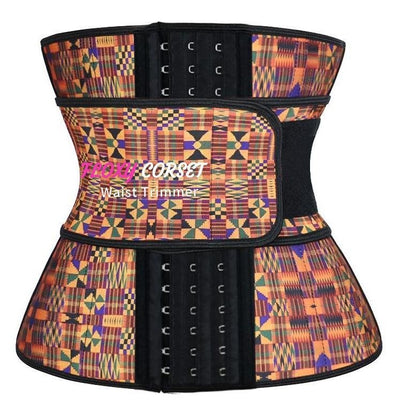
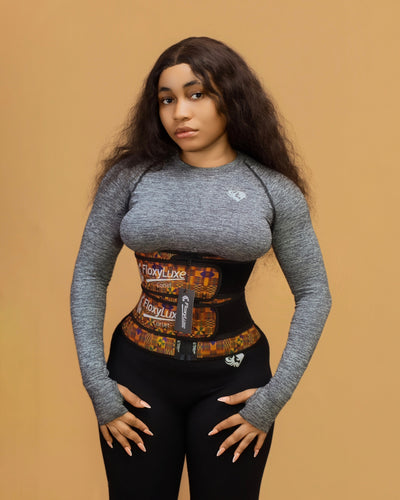
A structured vest-style trainer can make the build-up easier because the wider coverage and shoulder support help distribute compression instead of concentrating it at the waist. If you want that fuller-coverage feel, the FloxyLuxe Waist Trainer Vest is a good place to start. Prefer something flatter and more discreet under fitted clothes? The 29 Steel Bone Invisible Waist Trainer (Hook) is designed to disappear under outfits while still offering structured support.
What's the Maximum You Should Wear It Per Day?
For everyday wear, treat 8 hours as a sensible upper limit, and avoid wearing it continuously beyond that. Many longtime wearers stretch toward longer stretches on occasion, but more hours is not "better," and pushing past comfort gives you no extra benefit — only extra strain.
A few hard limits worth respecting:
- Don't sleep in it. Give your core and your skin uninterrupted hours to relax overnight.
- Don't wear it during intense workouts unless it's made for it. A trainer built for the gym is different from a daily-wear shaper — match the garment to the activity.
- Take breaks within the day. If you're approaching the higher end of your range, slipping it off for a stretch over a long day is completely fine.
Remember: any slimming effect you see while wearing a waist trainer is from compression and shaping, and it's temporary — it goes away once the garment comes off.
Signs You Should Take It Off — Now
Snug should never tip into painful. Stop wearing your waist trainer and loosen or remove it right away if you notice any of these:
- Difficulty breathing or shortness of breath
- Pain, pinching, or sharp pressure anywhere along the band
- Numbness or tingling
- Acid reflux, heartburn, or feeling food come back up after eating
- Lightheadedness or dizziness
- Red marks that don't fade, skin irritation, or any swelling
These are your body's way of saying the fit is too tight, the wear time is too long, or both. The fix is usually to size up, loosen the closure, or shorten your sessions. Listen to your body — it's the most reliable sizing tool you have. And if discomfort keeps happening, or you're managing any health condition, are pregnant, or recently postpartum, check with your doctor before continuing.
Why Rest Days Matter
You don't have to waist train every single day, and taking days off won't undo your progress. Rest days let your skin breathe, give your core muscles a chance to work on their own, and let the garment recover its shape and elasticity — which actually extends its lifespan.
A relaxed rhythm might look like:
- Wearing it on workdays and taking weekends off, or
- Alternating on and off days, or
- Simply skipping any day your body isn't feeling it.
There's no single "correct" schedule. The best routine is the one you can keep up comfortably over months — not the most aggressive one you can survive for a week.
Quick Recap
- Start small: 1–2 hours a day in week one.
- Build gradually: add about an hour every few days.
- Everyday ceiling: aim for a comfortable 6–8 hours; treat 8 as an upper limit.
- Never sleep in it, and take it off at the first sign of pain, numbness, reflux, or trouble breathing.
- Rest days are good, not setbacks.
Ready to find a trainer that fits the way you'll actually wear it? Browse the full FloxyLuxe waist trainer collection to compare vest, hook, and invisible styles.
Frequently Asked Questions
How long should a beginner wear a waist trainer on the first day?
About 1–2 hours, on the loosest setting. The first few days are just about getting used to the feeling of gentle compression — there's no benefit to wearing it longer or tighter right away.
Is it safe to wear a waist trainer for 8 hours a day?
For many people, a comfortable 6–8 hours of daytime wear works well once they've built up to it gradually. Treat 8 hours as an everyday upper limit rather than a goal, keep the fit snug-not-painful, and take it off if anything feels wrong.
Can I sleep in my waist trainer?
No — skip overnight wear. Your core and skin need uninterrupted hours to relax, and sleeping in a compression garment can make it feel far tighter than it does during the day.
Should I take rest days from waist training?
Yes. Rest days let your skin breathe and your muscles work on their own, and they help the garment keep its shape. Taking days off won't reverse your progress.
What does it mean if my waist trainer feels too tight or hurts?
Pain, pinching, numbness, reflux, or trouble breathing all mean the fit is too tight or you've worn it too long. Loosen or remove it, consider sizing up, and shorten your sessions. If discomfort continues — or you're pregnant, postpartum, or managing a health condition — check with your doctor before continuing.