

Faja vs Shapewear: What's the Difference?
The short answer: a faja is a structured, firm-compression garment built to sculpt your waist, lift, and hold its shape over time, while everyday shapewear is a lighter, more flexible layer designed mainly to smooth your silhouette under clothing. Both shape the body, but they use different fabrics, different levels of compression, and serve different goals. If you want a dramatic waistline or firm hold, you lean toward a faja. If you want a comfortable, invisible smoothing layer for daily wear, classic shapewear is usually the better fit.
Below, we break down exactly how they differ so you can pick the right one with confidence.
What Is a Faja?
 Shop: WAIST CINCHER BODYSUIT →
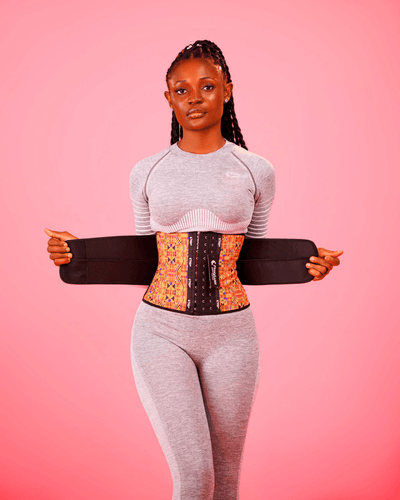
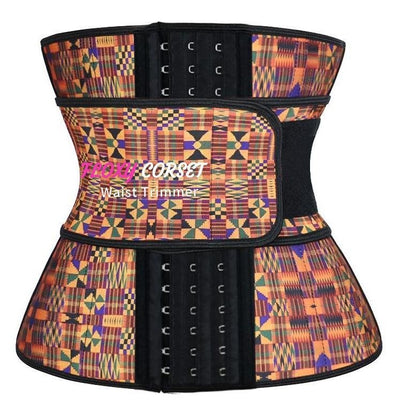
A faja (the Spanish word for "girdle" or "band," popularized by Colombian shapewear) is a high-structure compression garment. It is typically made from dense, durable fabrics like powernet, often layered, with reinforced seams and strategically placed panels. The result is firm, targeted compression that actively shapes the waist, midsection, and hips rather than simply flattening them.
Fajas are best known for two things: strong waist sculpting and a structured fit that holds its shape wash after wash. Many styles also feature seam placement around the glutes designed to let that area lift naturally while the waist and midsection stay compressed.
What Is Everyday Shapewear?
Everyday shapewear is the broad category most people picture first: smoothing briefs, slips, bodysuits, and camis made from lighter nylon-spandex blends, microfiber, or seamless knits. The priority here is comfort and invisibility. It is breathable enough for all-day wear and disappears under thin or clingy fabrics, giving you a clean line without a dramatic change in shape.
Think of everyday shapewear as a refinement layer. It softens, smooths, and evens out — but it is not engineered to cinch your waist by inches or to support your body through a recovery process.
Compression Levels: The Core Difference
Compression is where fajas and everyday shapewear truly part ways.
Light to Medium Compression (Everyday Shapewear)
Most everyday shapewear sits in the light-to-medium range. Light compression is ideal for daily wear and first-time users who want comfort over dramatic sculpting. Medium compression steps it up for special events or consistent everyday shaping while still staying wearable for hours.
Firm to Medical-Grade Compression (Fajas)
Fajas generally deliver noticeably firmer compression than standard shapewear. Daily-wear fajas already compress more than most smoothing garments, and post-surgical fajas are engineered to medical-grade pressure for use during recovery from procedures like liposuction, a tummy tuck, or a BBL.
A quick, important note on post-op use: post-surgical compression is a medical matter. If you are recovering from surgery, always follow the specific garment type, compression stage, and wear schedule recommended by your own surgeon or doctor. This article is general education, not medical advice, and a faja is not a substitute for professional guidance during recovery.
Faja vs Shapewear: Side-by-Side Comparison
| Feature | Faja | Everyday Shapewear |
|---|---|---|
| Primary goal | Sculpt, cinch, and hold the waist | Smooth and refine the silhouette |
| Compression level | Firm to medical-grade | Light to medium |
| Typical fabric | Dense powernet, often layered | Nylon-spandex, microfiber, seamless knits |
| Structure | Reinforced seams, structured panels | Soft, flexible, stretch-forward |
| Best for | Dramatic shaping, recovery (per doctor) | Daily wear, invisible smoothing |
| Comfort for beginners | Takes adjustment | Easy to wear right away |
| Durability | Built to last with proper care | Softens with repeated washing |
Comfort and Daily Wear
Comfort is often the deciding factor. Everyday shapewear wins on immediate, effortless wearability — most people can put it on and forget about it for the day. Fajas trade some of that easy comfort for stronger results; the firmer hold can take time to get used to, especially for first-time wearers.
That said, comfort is not strictly faja-versus-shapewear. Construction matters. A mid-coverage body shaper or a well-designed bodysuit can offer meaningful shaping with far more all-day comfort than a maximum-compression post-op faja. Many shoppers find the sweet spot in a structured-but-wearable piece that shapes firmly without feeling restrictive.
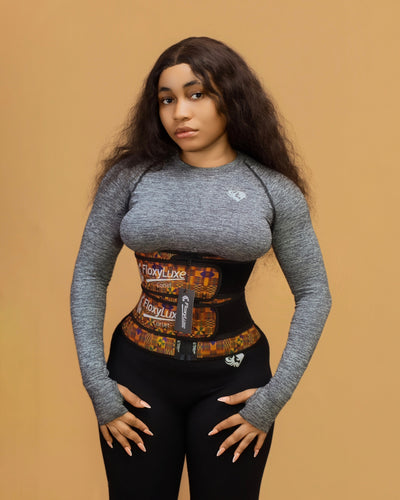
That balance is exactly what the FloxyLuxe Waist Cincher Bodysuit is built around — firm waist definition with a wearable, everyday-friendly fit, so you get real shaping without committing to medical-grade compression.
!FloxyLuxe Waist Cincher Bodysuit — firm waist shaping with everyday comfort
Durability: What You Get Over Time
Fajas are generally built to last. Multi-layer construction, reinforced seams, and quality hardware mean a good faja can hold its shape through months of regular wear. Standard shapewear, by contrast, tends to lose elasticity and effectiveness after repeated washing, so it is more of a rotating wardrobe staple than a long-term investment piece. Washing by hand and air-drying extends the life of either type.
Who Should Pick Which?
Choose everyday shapewear if you:
- Want a comfortable, invisible smoothing layer under clothes
- Are new to shaping garments
- Prioritize all-day comfort over dramatic results
- Need something for occasional wear or specific outfits
Choose a faja if you:
- Want firm, defined waist sculpting
- Are comfortable with a stronger compression feel
- Want a durable garment that holds its shape over time
- Are in post-surgical recovery — and only with your doctor's guidance on the right type and timing
If you are somewhere in between, a structured body shaper is often the answer. Explore the full body shaper collection to compare firmness levels, or take a closer look at the 3rd Generation Body Shaper for firmer, full-coverage sculpting that bridges the gap between everyday shapewear and a true faja.
Frequently Asked Questions
Is a faja the same as shapewear?
Not exactly. A faja is a type of shaping garment, but it sits at the firmer, more structured end of the spectrum. "Shapewear" is the broad category; everyday shapewear is typically lighter and softer, while a faja is denser, more compressive, and built for stronger sculpting.
Can I wear a faja every day?
Many fajas are designed for daily wear, and plenty of people use them regularly for waist shaping and posture support. Start with shorter sessions to let your body adjust, choose a comfort level you can wear for hours, and listen to your body. If you are recovering from surgery, follow your doctor's wear schedule instead.
Which gives more dramatic results, a faja or shapewear?
A faja generally delivers more dramatic waist definition because of its firmer compression and structured panels. Everyday shapewear focuses on smoothing rather than cinching, so the change is subtler.
Is a faja safe to wear after surgery?
Post-surgical fajas are commonly used during recovery, but compression after surgery is a medical decision. Only wear one if your surgeon recommends it, and follow their specific guidance on the garment type, compression stage, and timing.
What is the best option for a beginner?
For most beginners, a light-to-medium compression body shaper or smoothing bodysuit is the easiest place to start. It delivers a noticeable shaping effect while staying comfortable enough to wear all day, so you can decide later whether you want to step up to firmer faja-level compression.
The Bottom Line
The faja vs shapewear question really comes down to your goal. Reach for everyday shapewear when you want effortless, invisible smoothing. Reach for a faja when you want firm, structured sculpting that holds — and, if recovery is involved, always under your doctor's guidance. And if you want the best of both worlds, a structured body shaper gives you real shaping with everyday wearability.