

C-Section Recovery Shapewear: What's Safe and When to Start
Short answer: Soft, gentle abdominal support after a C-section may have a place in some recovery plans, but only after your doctor or OB has examined your incision and specifically cleared you to wear it. Timelines vary from person to person, and tight or firm compression too early can press on healing tissue and sutures. Nothing should ever go near your incision before you've been checked and given the green light. C-section recovery shapewear is about comfort and light support once you're cleared, not about "snapping back."
Important medical disclaimer: This article is general information only and is not medical advice. It is not a substitute for guidance from your doctor, OB-GYN, or midwife. A cesarean is major abdominal surgery, and every recovery is different. Always get personal clearance from your own healthcare provider before wearing any compressive or supportive garment after a C-section. If you have pain, fever, unusual discharge, heavy bleeding, or any concern about your incision, contact your provider right away.
First Things First: Healing Comes Before Shaping
 Shop: High Waist Shaperwear For Women →
A C-section is major surgery, and your body needs time. Cleveland Clinic notes that it takes about six weeks to recover from a C-section, but each person's timeline is different (Cleveland Clinic). Recovery often spans six to eight weeks, and tissue keeps healing well beyond the point you may feel "back to normal."
Before thinking about any garment, the priority is the incision itself. General guidance from sources like Mayo Clinic and Cleveland Clinic centers on a few gentle basics:
- Keep the incision clean and dry, and follow the exact care instructions your provider gives you.
- Avoid lifting anything heavier than your baby in the early weeks.
- Avoid twisting, straining, or putting pressure on the wound area.
- Watch for warning signs and report them promptly.
Tight clothing that rubs against the incision is something many providers advise against early on, because friction and pressure can irritate a healing scar. This is exactly why firm shapewear is not an early-recovery item.
When Is It Typically Safe to Wear Soft Support?
There is no single date that applies to everyone, and anyone who promises one is guessing. What we can share is the general rhythm of recovery that medical sources describe.
The follow-up appointments that matter
Cleveland Clinic describes a typical follow-up pattern: a first postpartum visit around week two, where your provider inspects the incision, and a six-week appointment where, if your pain has eased and the incision is healing well, you may be cleared to gradually resume normal daily life (Cleveland Clinic). The American College of Obstetricians and Gynecologists (ACOG) emphasizes that postpartum care is an ongoing process and that returning to activity should be gradual and individualized to each person (ACOG).
Those appointments are the moments to ask directly: "Is it safe for me to wear gentle abdominal support yet, and how firm should it be?" Your provider can see what you can't and will base the answer on your specific healing.
Why "cleared" doesn't always mean "fully healed"
It's worth knowing that even at the six-week mark, internal healing continues. Research highlighted in clinical reviews notes that uterine scar tissue is still remodeling around six weeks postpartum, even when many people are told they can resume normal activity (NIH/PMC review). The takeaway: ease in gently, listen to your body, and don't rush into firm compression just because a calendar says you can.
Medical Binders vs. Shapewear: Know the Difference
This is a distinction that gets blurred online, and it matters.
- Medical abdominal binders are wide compression belts sometimes recommended right after surgery to support sutures and reduce strain. Cleveland Clinic describes a binder as "a wide compression belt that goes around your stomach" that can provide support and reduce stress on sutures (Cleveland Clinic). These are typically introduced and recommended by your care team, not chosen on your own.
- Recovery shapewear is a comfort-and-support garment for after you've been cleared. It's about feeling held, supported, and more comfortable in your clothes during the later stages of recovery, not about medical-grade post-surgical support.
Floxyluxe shapewear is the second category. It is not a medical device and is not intended to treat, heal, or replace any post-surgical care your provider prescribes. Think of it as gentle everyday support for when your body is ready, never as a recovery tool to wear before clearance.
What to Avoid in Early Recovery
While the incision is fresh and sensitive, the general principles from medical sources point to a few clear "not yet" items:
- Firm or aggressive compression over the incision before clearance.
- Anything that rubs, digs, or presses on the scar or creates a hard waistband across it.
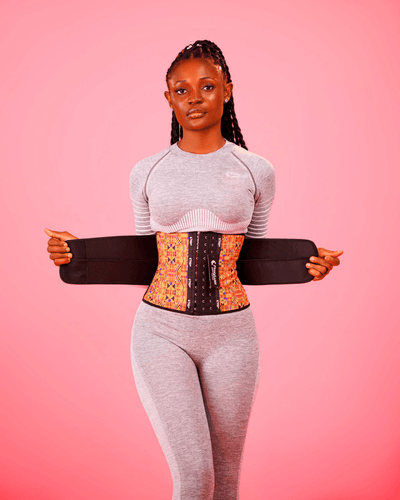
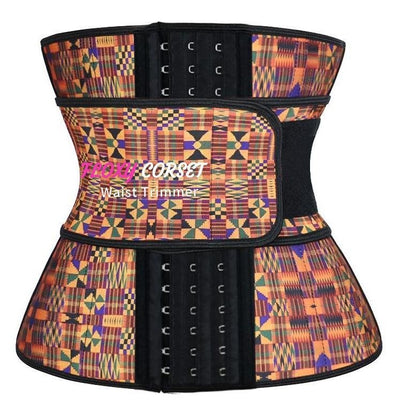
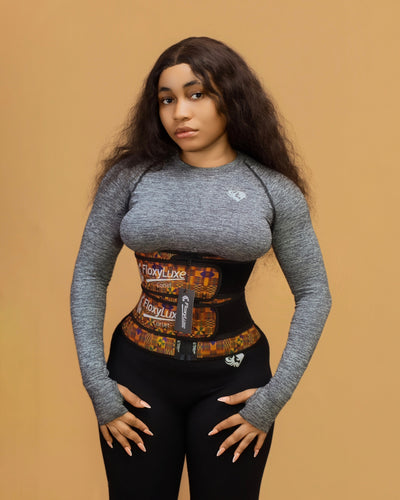
- Waist trainers or strong cinching garments as an early-recovery item. A firm shaper or trainer is something to revisit much later, and only if your provider says it's appropriate for you.
- Pushing through pain. Discomfort from a garment is a signal to take it off, not to power through.
If anything you wear causes pain, pulling at the incision, numbness, or makes it hard to breathe comfortably, stop wearing it and check with your provider.
Soft vs. Firm: Choosing Comfort First
Once you're cleared, the gentlest options are usually the most comfortable for a body that's still healing.
Soft, high-rise support
A soft, high-waisted garment that sits smoothly over the midsection, without a hard seam or band crossing the incision line, tends to feel the kindest. Our high-waist shaperwear for women is designed for that smooth, everyday comfort and can be a gentle choice once your provider has given you the okay. Look for breathable fabric, a flat or seamless finish where it meets your midsection, and a fit that supports without squeezing.
Firmer or targeted options, later
Firmer garments like the 360 tummy wrap waist trainer deliver much stronger compression. That kind of garment is not an early-recovery item. If you're ever considering something firmer down the line, raise it with your provider first and let your comfort lead. You can browse the full body shaper collection to compare softer and firmer styles, but choose based on what your healing body can comfortably tolerate, not on how fast you want to see a change.
Comfort checklist once you're cleared
- Does it avoid pressing directly on the incision?
- Can you breathe deeply and move easily?
- Is the fabric breathable and gentle on your skin?
- Can you take it on and off without straining or twisting?
- Does it feel supportive rather than tight?
If the answer to any of these is no, size up, switch to a softer style, or wait a little longer.
A Gentle Word
Recovery is not a race, and your worth is not measured by how quickly your body changes after birth. Shapewear, when and if you choose it, is simply about feeling comfortable and supported in your own clothes. The healing of your incision and your overall wellbeing always come first, and your provider is your best guide on timing.
Frequently Asked Questions
When can I start wearing shapewear after a C-section?
There's no universal date. Recovery typically takes around six to eight weeks, but it varies for everyone (Cleveland Clinic). You should only wear soft support after your own doctor or OB has examined your incision and specifically cleared you. Ask directly at your follow-up appointments.
Is shapewear the same as a medical abdominal binder?
No. A medical abdominal binder is a wide compression belt sometimes recommended by your care team right after surgery to support sutures. Recovery shapewear is a comfort-and-support garment for after you've been cleared, and it's not a medical device or a substitute for any care your provider prescribes.
Can shapewear help my incision heal faster?
There's no good evidence that shapewear speeds incision healing, and we make no such claim. Healing is driven by your body and your provider's care plan. Shapewear is about comfort once you're cleared, not about healing.
Should I wear a firm waist trainer right after a C-section?
No. Firm waist trainers and strong cinching garments are not appropriate early-recovery items because they can press on healing tissue. If you're considering anything firm later in recovery, discuss it with your provider first and let comfort guide you.
What should I avoid wearing while my incision heals?
Generally, avoid firm compression over the incision, hard waistbands or seams that cross the scar, and anything that rubs, digs, or causes pain. Medical sources advise keeping the incision clean and dry and avoiding tight clothing that rubs against it. If a garment causes any discomfort, take it off and check with your provider.
Sources: Cleveland Clinic – C-Section Recovery Timeline and Aftercare, Mayo Clinic – C-section recovery: What to expect, ACOG – Physical Activity and Exercise During Pregnancy and the Postpartum Period, NIH/PMC – Maximizing Recovery in the Postpartum Period. This content is general information and not medical advice. Always consult your own healthcare provider before wearing any compressive garment after a C-section.